




The Perfect Room Inspection Checklist for Housekeeping Managers
Posted by Amenie on Dec 01, 2025
Late room readiness remains one of the most common challenges in hotel operations. When rooms aren’t ready at check-in, frustration rises, and service perceptions decline—often leading to negative online reviews. With STR reporting average U.S. hotel occupancy rates above 65%, most properties operate with minimal turnaround time between departures and arrivals. In this high-pressure environment, maintaining consistency and cleanliness requires not just more effort, but smarter systems—specifically, a structured room inspection process that makes every space meets brand standards before guests arrive.
The High Cost of Room Readiness Failures
When a room isn't ready at check-in, the consequences ripple through your entire operation. Research shows that when check-in wait times extend beyond five minutes, guest satisfaction drops significantly.
From a financial standpoint, retaining existing customers is far more productive than acquiring new ones: studies find a 60-70% chance of selling to existing customers compared to just 5-20% for new prospects. Further, a mere 5% improvement in customer retention can boost profits by 25-95%.
In the hospitality context, each room-readiness failure risks turning a repeat guest into a one-time visitor, forcing properties to focus more on acquisition (which is costlier) rather than retention.
Operational cascade when rooms aren’t inspected/ready on time:
- Front-desk staff scramble to re-assign rooms or calm waiting guests, shifting focus from proactive service.
- Housekeeping supervisors must rush delayed rooms, disrupt planned cleaning flows, increase overtime or re-work.
- Management spends time firefighting instead of executing strategic initiatives.
- Guests arriving subsequently witness the backlog/queue, producing a negative first impression even before entering the room.
Understanding the Modern Housekeeping Challenge
Housekeeping teams today operate under intense pressure. Industry sources suggest that a typical housekeeper in full-service hotels is expected to clean only 13-15 rooms per shift, with even select-service properties often limiting quotas to 15-20 rooms per shift. Assigning significantly more rooms than that risks fatigue, errors, loss of motivation, and ultimately, guest complaints.
Staffing shortages amplify these challenges. Turnover in housekeeping roles remains among the highest in the hospitality sector, with many new hires leaving early in their tenure. This constant cycle of onboarding means supervisors spend more time training and less time inspecting rooms, coaching their teams, or addressing special cleaning needs. The result is an environment where maintaining consistent quality becomes increasingly difficult.
At the same time, guest expectations continue to climb. Even modest service lapses can trigger dissatisfaction, negative reviews, and reputational impact. Thus, manageable workloads, a stable, experienced team, and robust inspection protocols are vital for maintaining the cleanliness standards that safeguard your property’s guest experience and brand reputation.
Building Your Foundation: The Essential Room Inspection Framework
A comprehensive room inspection checklist serves as your quality control blueprint, transforming subjective standards into objective, measurable criteria. Hotel room inspections uphold brand and quality standards, maintain cleanliness consistency across your guestrooms, and prevent one of the biggest causes of negative guest reviews: dirty rooms.
Your inspection framework should address four critical dimensions:
1. Visual Standards and First Impressions
The moment a guest enters their room sets the tone for their entire stay. Your checklist must capture every element that contributes to that crucial first impression:
Entry and Overall Ambiance
- Door closes properly and locks securely
- No scuff marks, fingerprints, or damage on door surfaces
- Lighting creates a warm, welcoming atmosphere
- No lingering odors; the room smells fresh and clean
- Temperature set to comfortable default (typically 68-72°F)
- All curtains/blinds operate smoothly and hang properly
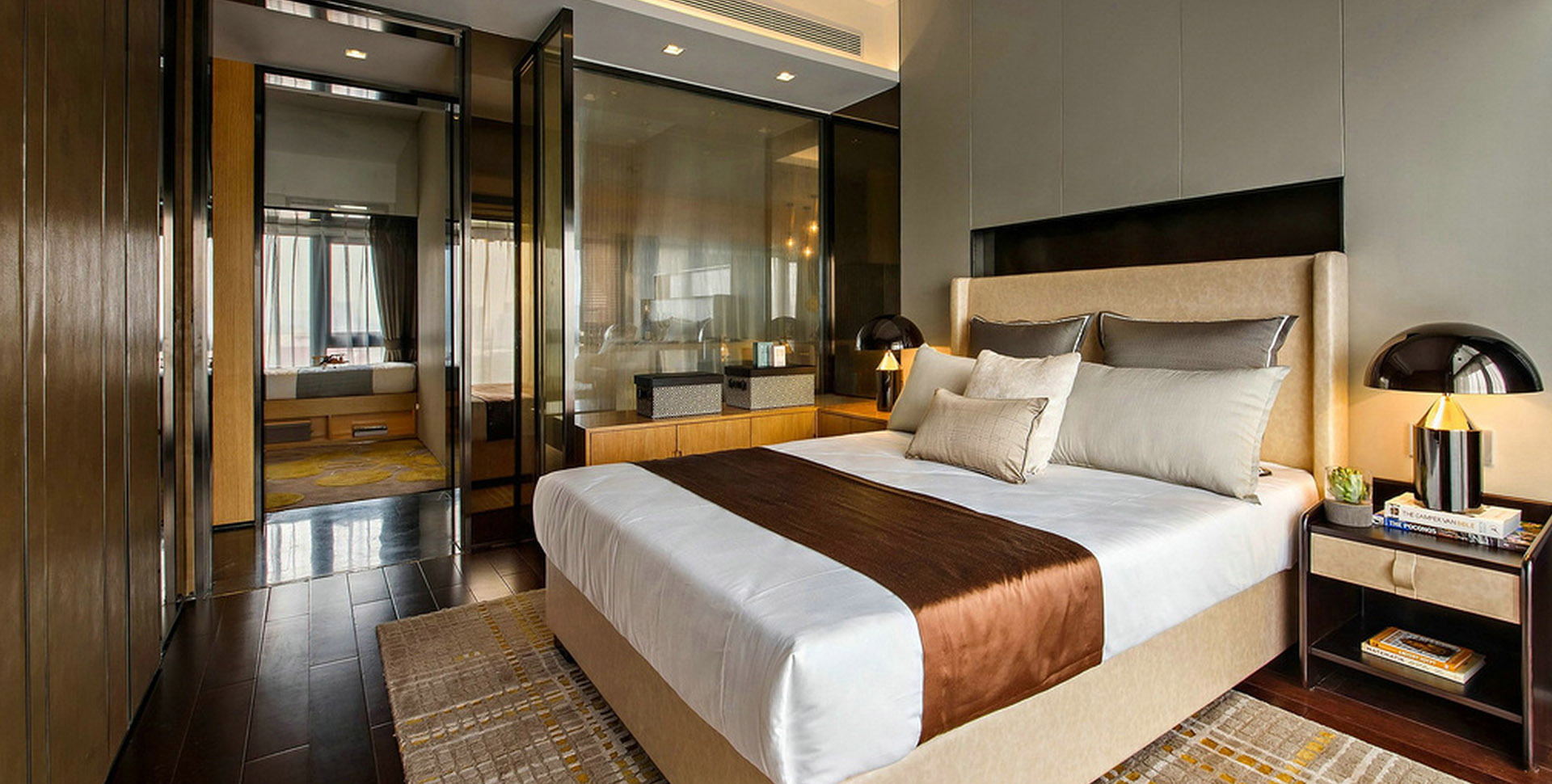
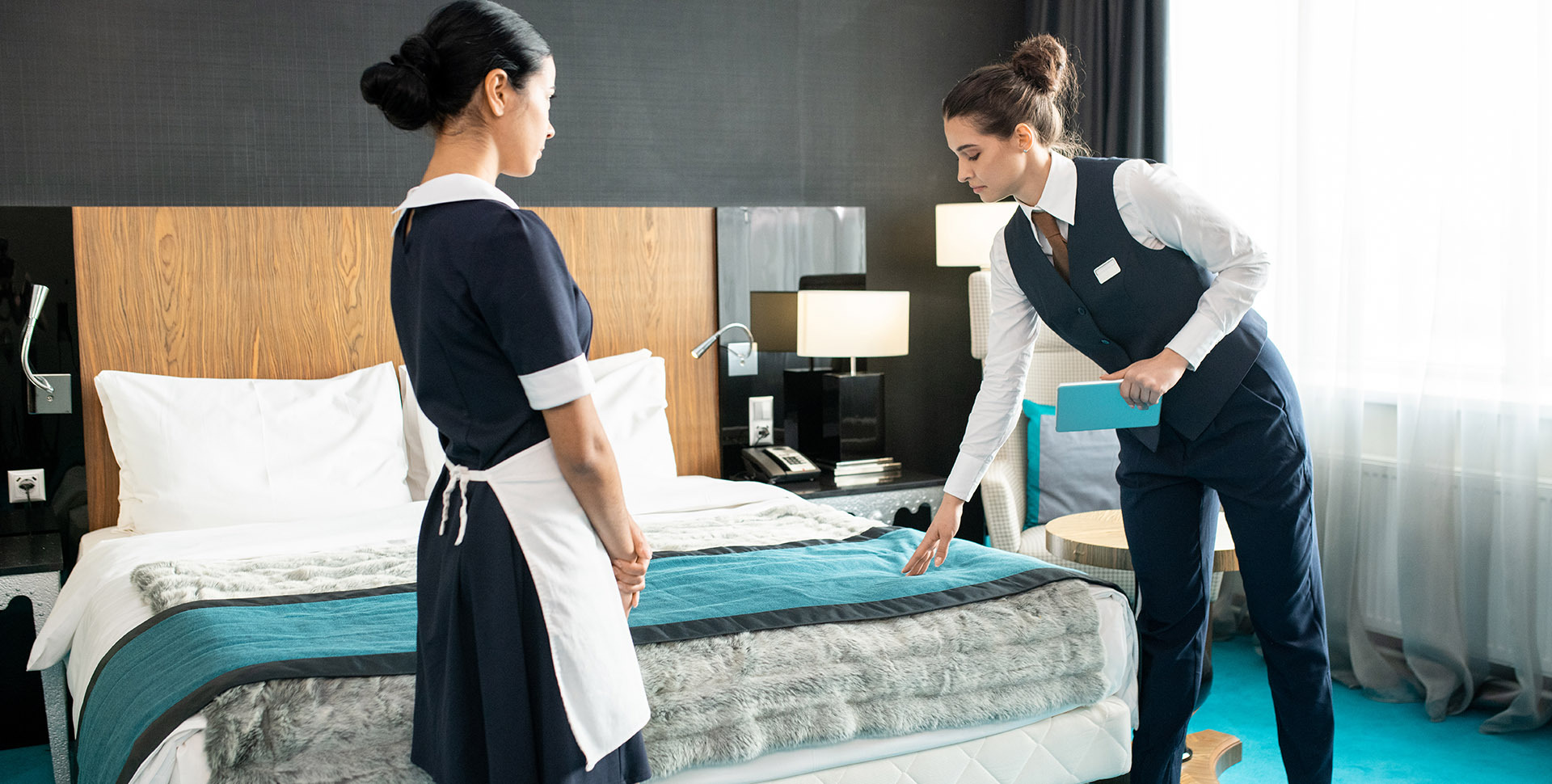
Bed Presentation: Bed linens are wrinkle-free, check pillow arrangement, inspect mattresses, and confirm extra blankets and pillows are clean and stored correctly. The bed represents the heart of the guest room—its presentation must be flawless, with hospital corners crisp, decorative pillows properly positioned, and the duvet centered and smooth.
2. Cleanliness and Hygiene Standards
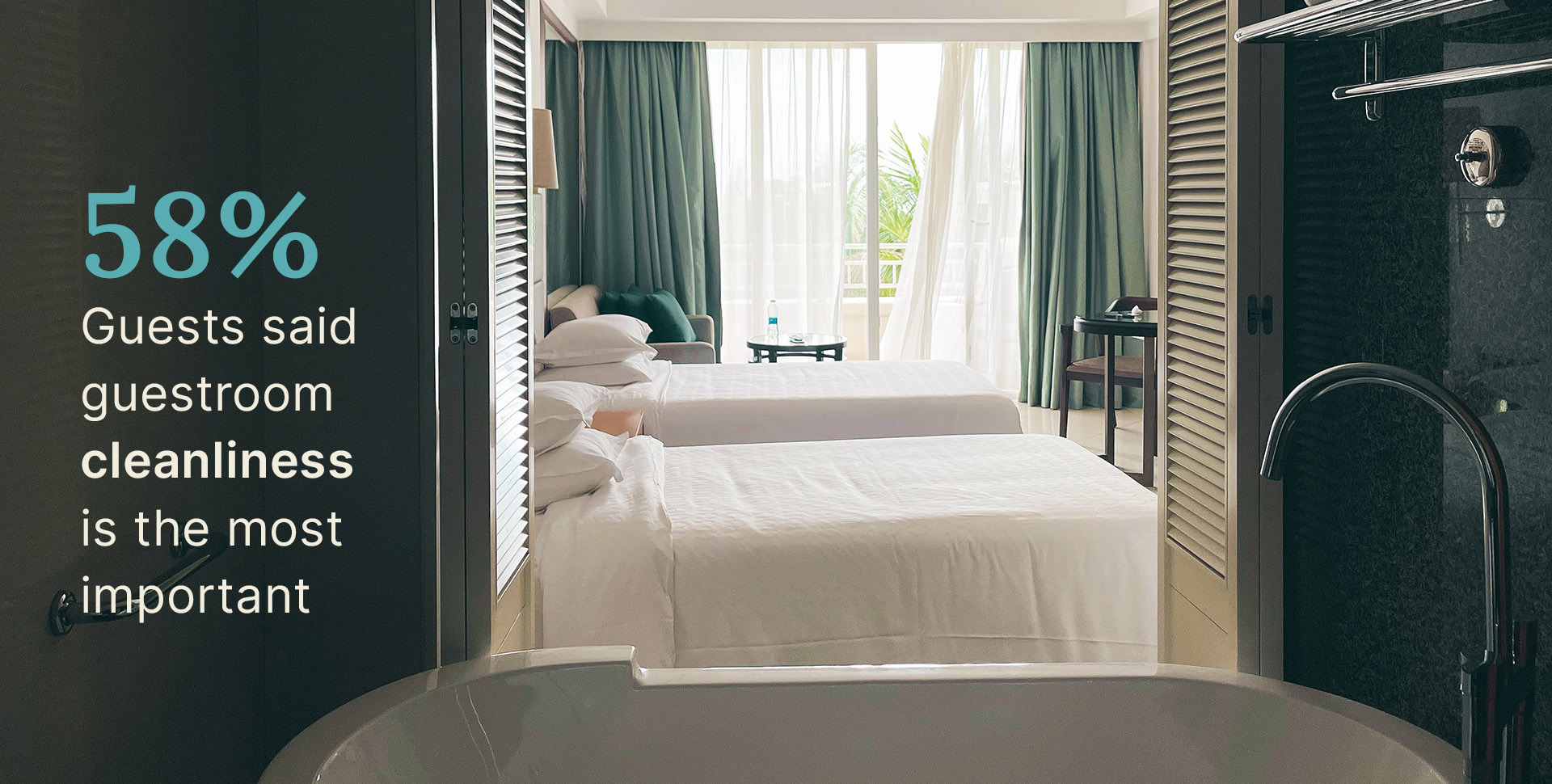
In our post-pandemic world, cleanliness has evolved from important to paramount. According to a November 2023 survey, 59% of guests said guestroom cleanliness is most important, followed by overall property cleanliness at 48%.
Bathroom Excellence:
- All surfaces sanitized and streak-free
- Grout lines are clean and mold-free
- Chrome fixtures polished to shine
- Toilet thoroughly disinfected inside and out
- The fresh toilet seal band is properly placed
- Shower/tub is completely dry with no water spots
- Glass shower doors are crystal clear
- Exhaust fan is operational and quiet
Surface and Fixture Cleanliness:
- All furniture surfaces are dust-free
- The television screen is clean and smudge-free
- Remote controls sanitized and functional
- Light switches and outlets are clean
- Telephone handset disinfected
- Door handles and high-touch areas sanitized
- Windows and mirrors are streak-free
- Air conditioning vents are dust-free
3. Amenity and Supply Standards
The thoughtful placement of amenities demonstrates attention to detail and care for guest comfort.
Bathroom Amenities
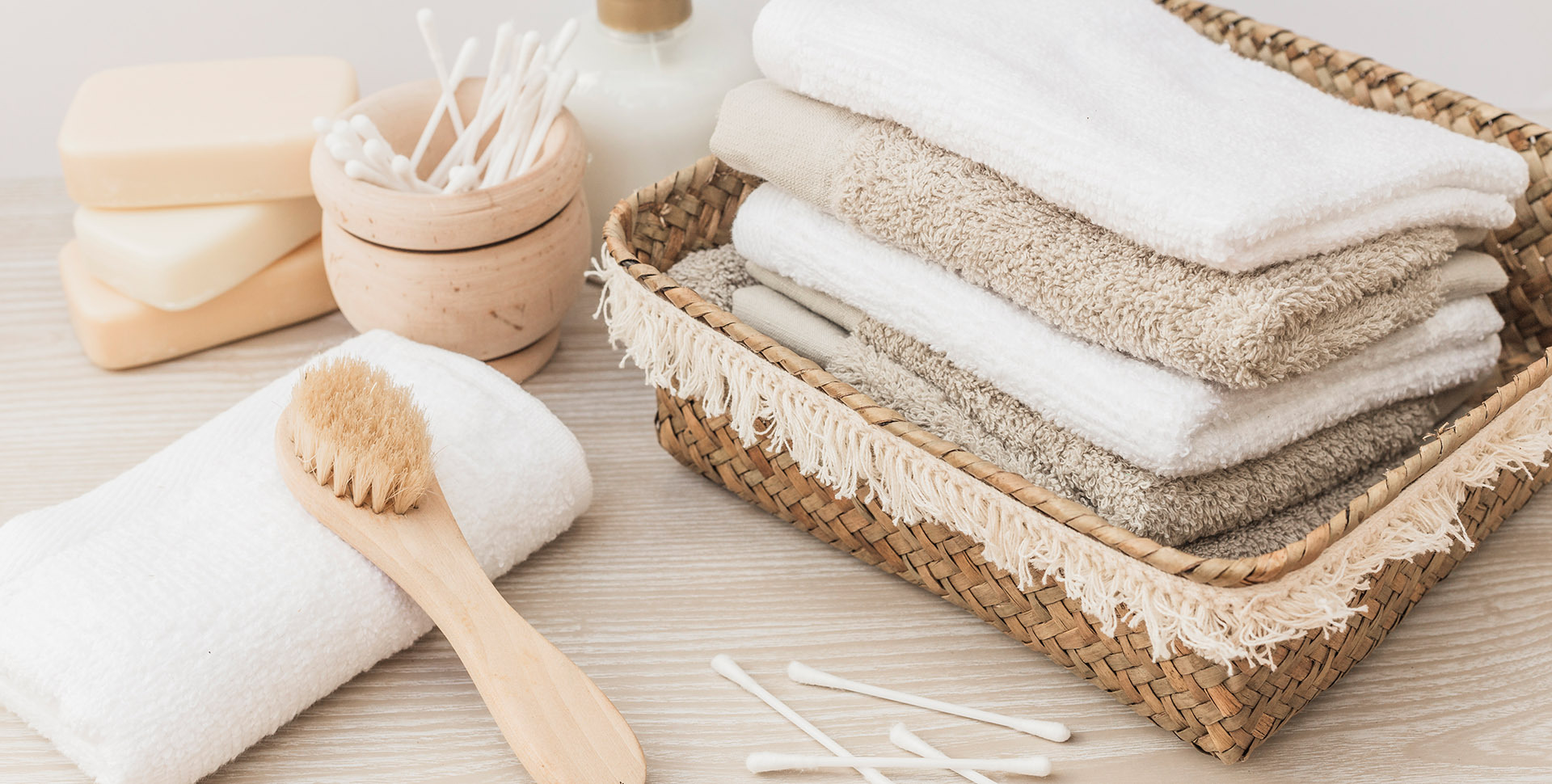
- Luxury toiletries are properly arranged and fully stocked
- Fresh towels folded uniformly and positioned correctly
- Adequate toilet paper supply (minimum three rolls visible)
- Tissues, cotton swabs, and other sundries were replenished
- Hair dryer is clean and properly stored
Room Supplies
- Guest room appliances are tested and functional
- Coffee maker clean with fresh supplies
- Mini-bar stocked according to inventory (if applicable)
- Ice bucket clean with a fresh liner
- Adequate hangers in closet (minimum 8 for standard room)
- Luggage rack is properly positioned and stable
- Room service menu and hotel directory are current and clean
4. Functionality and Maintenance Checks
Every mechanical and electronic element must work flawlessly:
Technology and Electronics
- All lights are functioning with appropriate bulbs
- Television operates with a clear picture and sound
- Remote control batteries are strong
- Alarm clock set to the correct time
- The telephone provides a clear dial tone
- Wi-Fi information card present and accurate
- USB ports and outlets are operational
Mechanical Systems
- HVAC system responds properly to controls
- No unusual noises from the air conditioning
- Plumbing fixtures operate without leaks
- Hot water arrives within 30 seconds
- Shower pressure adequate
- Toilet flushes completely and refills quietly
- All doors and drawers open/close smoothly
Implementing Your Inspection Process: From Checklist to Culture
Creating a checklist is only the beginning. Develop a standardized inspection procedure that all staff must follow, ensuring consistency in room quality, and regularly review and update these procedures to reflect any changes in hotel standards or guest expectations.
The Three-Tier Inspection System
Tier 1: Self-Inspection by Room Attendant
Every housekeeper should complete their own inspection before marking a room as clean. This immediate quality control catches most issues before they escalate.
Tier 2: Spot Checks by Floor Supervisors
Every guest room must be checked daily by the housekeeping supervisor, which helps the hotel attain high guest satisfaction in terms of room comfort and also for safety reasons. Supervisors should inspect:
- All rooms cleaned by new employees
- Random sampling of 20-30% of experienced staff's rooms
- Any room with previous guest complaints
- VIP or special request rooms
Tier 3: Management Walk-Throughs
If the floor supervisor cannot check the room by the end of the shift, the assistant executive housekeeper must do it before releasing the room for guest occupancy. Executive housekeepers should conduct weekly deep-dive inspections, examining not just cleanliness but also maintenance needs and inventory levels.
Technology Integration for Improved Efficiency
Modern technology can transform your inspection process. Consider implementing:
Digital Inspection Platforms
- Real-time reporting of room status
- Photo documentation of issues
- Automatic task assignment for repairs
- Historical tracking of problem areas
- Performance analytics by staff member
Communication Systems enable instant communication between departments to address issues immediately. When housekeeping identifies a maintenance need, they should be able to alert engineering instantly, with automatic follow-up to confirm resolution.
Creating Accountability Without Overwhelming Staff
The challenge lies in maintaining high standards without burning out your team. Your inspection process must balance thoroughness with efficiency.
Time Management Strategies
The 5-Minute Room Scan: Train supervisors to conduct initial visual inspections in under five minutes, quickly identifying rooms that need detailed review versus those that clearly meet standards.
Focus Area Rotation: Rather than attempting to inspect every detail of every room daily, rotate deep-focus areas:
- Monday: Bathroom deep inspection
- Tuesday: Bed and linen quality
- Wednesday: Technology and amenities
- Thursday: Surfaces and cleanliness
- Friday: Maintenance issues and repairs
Recognition and Improvement Programs
Transform inspections from punitive exercises into opportunities for recognition:
- Post "Perfect Score" achievements for rooms that pass inspection without issues
- Create monthly awards for housekeepers with the highest inspection scores
- Share inspection feedback constructively, focusing on improvement rather than criticism
- Celebrate team achievements when overall scores improve
Addressing Common Problem Areas
Certain aspects of room preparation consistently challenge housekeeping departments. Here's how to address them:
The Bathroom Challenge
Bathrooms generate the most guest complaints and require the most detailed attention. Clean and disinfect all bathroom fixtures, including the toilet, sink, shower, and faucets. Stock and neatly arrange toiletries, tissues, toilet paper, and towels. Inspect the shower and tub for mold, and check all fixtures for leaks or drips.
Create a specific bathroom inspection sequence:
- Start with an overall visual assessment
- Check behind the toilet and under the sink
- Inspect shower/tub corners and grout lines
- Test all fixtures for proper operation
- Verify amenity placement and quantities
- Final check of mirrors and glass surfaces
The Technology Tangle
With multiple electronic devices in each room, functionality issues can easily slip through:
- Maintain a device testing checklist at each housekeeping cart
- Require staff to turn on the TV and test the remote during cleaning
- Check alarm clock settings (guests hate middle-of-the-night alarms)
- Verify phone functionality with a quick test call
- Check that all charging ports work properly
The "Invisible" Areas
Guests notice what housekeeping often overlooks:
- Inside lampshades (dust accumulation)
- Behind curtains and drapes
- Under bed edges and dust ruffles
- Top of picture frames and mirrors
- Inside drawers and closets
- Air conditioning vents and returns
Managing Peak Periods and Full Occupancy
When your property operates at full capacity, room readiness becomes even more critical. Hotels with high percentages of elite guests face challenges honoring 4 PM late check-outs while ensuring arriving guests can access their rooms at the published time.
Strategic Room Assignment
During peak periods:
- Pre-assign rooms for early arrivals to guests checking out early
- Reserve a buffer of rooms for unexpected early arrivals
- Prioritize cleaning of rooms for guests with confirmed arrival times
- Communicate realistic timelines to guests arriving before standard check-in
The Express Inspection Protocol
For high-pressure situations, develop an abbreviated inspection focusing on:
- Guest safety items (locks, smoke detectors)
- Cleanliness of the bathroom and bed
- Functionality of essential amenities
- Overall visual presentation
- Quick spray of room freshener for immediate freshness
Continuous Improvement Through Data and Feedback
Perform routine audits of room inspections to confirm that staff are following procedures and maintaining high standards, using audit results to identify areas for improvement in training and provide targeted feedback to staff.
Key Performance Indicators to Track
Monitor these metrics to assess your inspection program's effectiveness:
- Percentage of rooms passing first inspection
- Average time from checkout to room ready
- Guest complaints related to room cleanliness/readiness
- Repeat issues by room number
- Inspector accuracy (spot-check validation rate)
- Staff performance trends over time
Guest Feedback Integration
Don't rely solely on post-stay reviews for insights—create opportunities throughout the guest journey to receive feedback through in-stay pulse surveys, feedback cards, and staff conversations with guests during their stay.
When guests report issues, document them in your inspection system to:
- Identify patterns requiring process changes
- Retrain staff on consistently problematic areas
- Adjust inspection focus based on guest priorities
- Validate that your standards align with guest expectations
Training: The Foundation of Inspection Excellence
Your inspection checklist is only as effective as the staff implementing it. Create detailed manuals, checklists, and visual aids that outline each step of the inspection process.
Comprehensive Training Components
New Employee Onboarding
- Shadow experienced inspectors for a minimum one week
- Practice inspections with immediate feedback
- Review common failure points with photo examples
- Test competency before independent inspection
Ongoing Skill Development
- Monthly refresher training on problem areas
- Quarterly updates on new standards or procedures
- Cross-training between housekeeping and inspection roles
- Guest service training to understand the impact of their work
Creating Visual Standards Guides
Develop photographic standards for every aspect of room presentation:
- Proper bed making technique with step-by-step images
- Correct amenity placement with exact positioning
- Bathroom setup with precise towel folding methods
- Technology arrangement showing proper cable management
These visual guides eliminate ambiguity and provide consistency across all staff members, regardless of language barriers or experience levels.
The Future of Room Inspections: Trends and Innovations
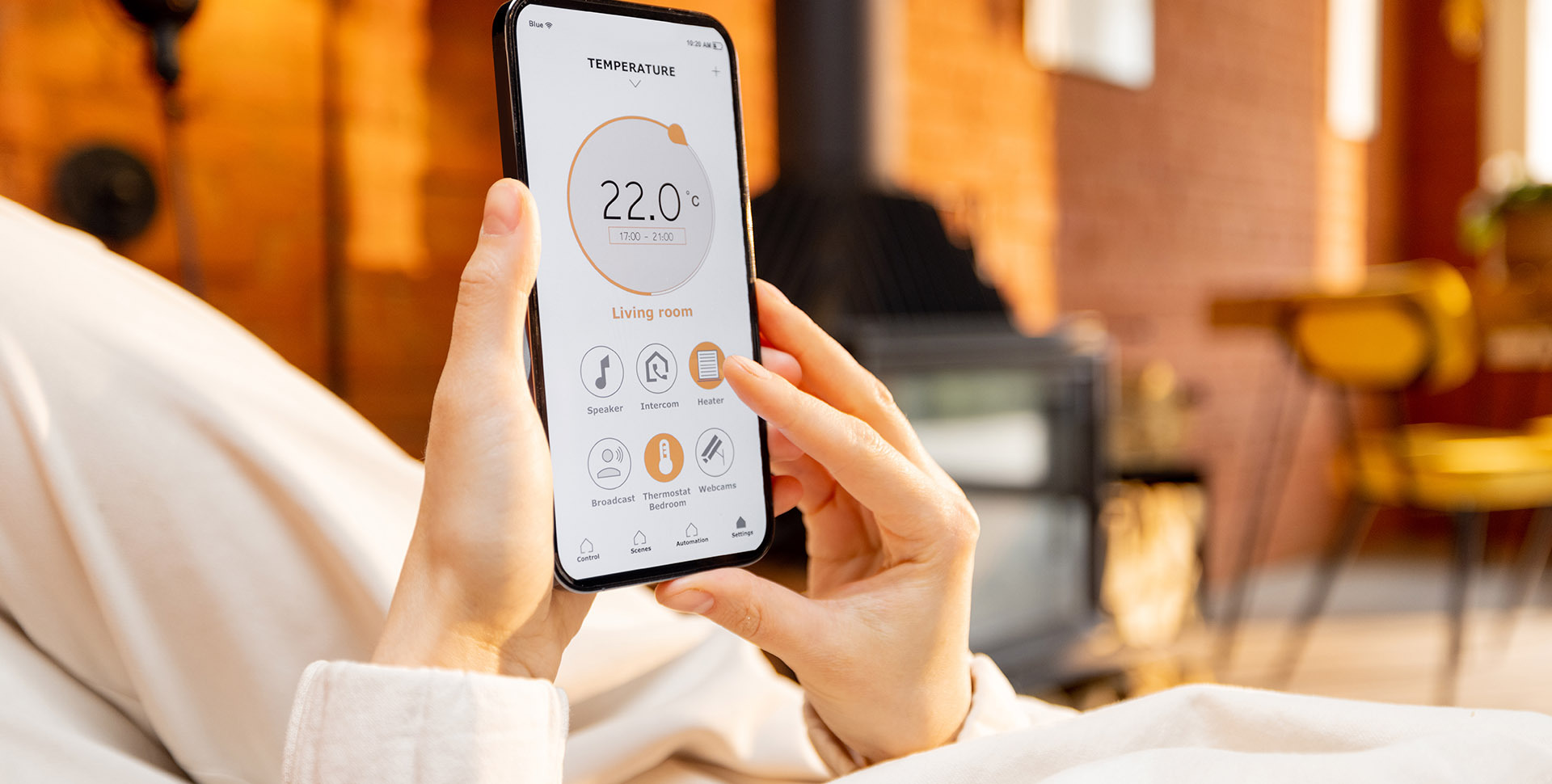
As technology advances and guest expectations evolve, room inspection processes must adapt. The modern hotel adjusts room settings to preferred temperature and lighting with precision and promptness, while robotic systems optimize processes in housekeeping operations, reducing staffing requirements and allowing managers to respond to problems in real-time.
Emerging Technologies
Smart Room Integration
- IoT sensors detecting maintenance issues before they're visible
- Automated climate and lighting adjustments based on preferences
- Digital tracking of amenity usage for predictive restocking
- Guest-controlled room readiness notifications
AI-Powered Quality Control
- Computer vision systems scan rooms for cleanliness issues
- Predictive analytics identifies rooms likely to have problems
- Automated scheduling optimization based on historical cleaning times
- Performance tracking with personalized coaching recommendations
Sustainability Considerations
Modern inspection processes must also account for environmental responsibility. Partner with suppliers committed to sustainable practices and incorporate eco-friendly standards into your inspections:
- Verify proper recycling separation
- Check for water waste or leaks
- Select energy-efficient settings on all devices
- Confirm sustainable amenities are properly stocked
Excellence as Standard Operating Procedure
A perfect room inspection checklist transforms the abstract concept of "cleanliness" into concrete, achievable standards. By implementing comprehensive inspection protocols, investing in staff training, and leveraging technology wisely, properties can make certain every guest walks into a room that exceeds their expectations.
Remember, having a thorough checklist for inspections keeps rooms cleaner and guests satisfied. The goal isn't perfection for perfection's sake—it's about creating consistent, exceptional experiences that turn first-time guests into lifetime advocates for your property.
In an industry where maintaining guest satisfaction and following quality standards while improving the customer experience determines success, your room inspection process becomes a competitive advantage. Properties that master the art of room readiness don't just avoid complaints—they create the moments of delight that guests remember, share, and return to experience again.
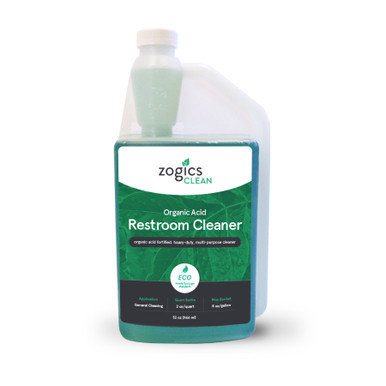
Your investment in a comprehensive inspection system, supported by quality housekeeping supplies and thoughtful amenity selections, pays dividends through increased guest satisfaction, improved online reviews, and ultimately, stronger financial performance. In the end, the perfect room inspection checklist isn't just about maintaining standards—it's about maintaining the promise you make to every guest who chooses your property for their stay.
Ready to build your inspection-ready supply list?
Shop the full Amenie catalog — cleaning tools, amenities, linens, and bulk dispensers for properties of every size.
Frequently Asked Questions
How long should a thorough room inspection take?
A comprehensive room inspection by a supervisor should take 5-7 minutes for a standard room, while suite inspections may require 10-12 minutes. The initial self-inspection by the room attendant adds approximately 2-3 minutes to their cleaning time. For executive-level inspections, plan for 10-15 minutes to thoroughly evaluate not just cleanliness but also maintenance needs, amenity quality, and overall presentation. During peak periods, properties can implement a rapid 3-minute visual inspection protocol that focuses on critical items: bathroom cleanliness, bed presentation, and basic functionality.
What's the ideal ratio of supervisors to room attendants for effective inspections?
Industry best practice suggests one housekeeping supervisor for every 12-15 room attendants. This ratio allows supervisors to inspect 20-30% of all cleaned rooms daily while providing adequate support and training to their team. Properties with higher service standards or luxury positioning may benefit from a lower ratio of 1:10, enabling more thorough inspections and personalized coaching. Consider adjusting ratios during training periods for new staff, when supervisors should inspect 100% of rooms cleaned by employees in their first two weeks.
How do you maintain inspection standards during staff shortages?
During staffing challenges, prioritize inspections based on risk and impact. Focus on VIP rooms, rooms with previous complaints, and those cleaned by newer staff members. Implement peer inspection programs where experienced housekeepers check each other's work. Utilize technology like mobile inspection apps to streamline the process and reduce time requirements. Consider temporary adjustments such as inspecting high-traffic areas (bathroom and bed) thoroughly while conducting spot-checks on other areas. Cross-train front desk or maintenance staff on basic inspection protocols to provide emergency support during extreme shortages.
Should inspection standards differ between room types?
Yes, inspection standards should scale with room categories while maintaining baseline cleanliness across all levels. Standard rooms require thorough checking of essential amenities and cleanliness. Suites demand additional attention to multiple bathrooms, living areas, and luxury amenity packages. Luxury accommodations need meticulous inspection of details like thread count verification, premium toiletry placement, and personalized touches. Create category-specific checklists that build upon your standard requirements, adding specialized items for each room type. This provides consistency in basic standards while meeting elevated expectations for premium accommodations.
How often should we update our inspection checklist?
Review and update your inspection checklist quarterly, with minor adjustments made as needed based on guest feedback or operational changes. Conduct a comprehensive annual review involving all stakeholders—housekeeping, maintenance, front desk, and management. Updates should reflect changes in brand standards, new amenities or technology, seasonal considerations, and emerging guest expectations. Track common guest complaints and inspection failures to identify areas requiring checklist modification. When implementing changes, have all staff receive proper training and allow a transition period for adaptation.
What's the best way to handle rooms that repeatedly fail inspections?
First, identify whether the issue stems from the room itself or the cleaning process. For physical room problems, prioritize maintenance or deep cleaning during low-occupancy periods. Document recurring issues with specific room numbers to identify patterns—some rooms may have inherent challenges like poor lighting or ventilation that make them harder to maintain. For staff-related failures, implement targeted retraining focusing on problem areas. Consider reassigning chronically problematic rooms to your most experienced housekeepers until issues are resolved. If problems persist, evaluate whether the room should be temporarily removed from inventory for renovation.
How do we balance speed versus thoroughness during sold-out periods?
During full occupancy, implement a tiered inspection approach. Classify rooms into priority categories: arrivals within two hours (detailed inspection), arrivals after 4 PM (standard inspection), and stay-overs (spot-check inspection). Train supervisors to conduct rapid visual assessments, immediately identifying rooms requiring detailed review. Utilize team cleaning for VIP or rushed rooms, where multiple housekeepers work together followed by immediate inspection. Maintain non-negotiable standards for cleanliness and safety while accepting minor presentation compromises (such as less precise pillow arrangement) during extreme time pressure.
What technology offers the best ROI for room inspections?
Mobile inspection applications provide the strongest return on investment, typically reducing inspection time by 30-40% while improving documentation. These apps enable photo documentation, real-time issue reporting, and automatic task assignment to maintenance. Property management system integration provides room status updates instantly, preventing premature check-ins to unprepared rooms. Consider implementing QR codes in rooms for guests to report issues immediately, allowing proactive problem resolution. For larger properties, housekeeping optimization software can predict cleaning times and automatically schedule inspections based on checkout patterns and arrival schedules.
How should we handle inspection failures discovered after guest check-in?
Immediately assess the severity of the issue. For minor problems (missing amenity or slight cleanliness issue), dispatch housekeeping to resolve while the guest is out, leaving an apology note and complementary amenity. For significant failures, contact the guest directly, apologize sincerely, and offer immediate room change or on-the-spot correction. Document the incident thoroughly for training purposes. Provide appropriate compensation based on impact—this might range from a complimentary dinner to a room rate adjustment. Follow up within 24 hours to confirm satisfaction and prevent negative reviews. Use these incidents as crucial learning opportunities in staff meetings.
What metrics indicate our inspection program is successful?
Key success indicators include rooms passing first inspection increasing above 90%, guest complaints about room cleanliness decreasing below 2% of stays, and average time from checkout to room-ready falling below property standards (typically 45 minutes for standard rooms). Monitor your online review scores specifically mentioning room cleanliness—aim for consistent ratings above 4.5/5. Track housekeeping productivity improvements, measuring rooms cleaned per hour without quality degradation. Calculate the correlation between inspection scores and guest satisfaction surveys. Success also shows in reduced maintenance costs due to early problem identification and decreased staff turnover as clear standards reduce workplace frustration.