





How to Train Hotel Staff for Better Guest Communication and Service: From First Impressions to Lasting Loyalty
Posted by Amenie on Dec 08, 2025
In the hospitality industry, every interaction shapes the guest experience. From the warm greeting at check-in to the gracious handling of unexpected challenges, your staff's communication skills determine whether guests become one-time visitors or lifelong advocates for your property.
Research reveals that only 25% of guests report problems directly to hotels, while the remaining 75% share their frustrations through word-of-mouth instead. This statistic underscores a critical truth: exceptional communication isn't just about managing complaints—it's about creating an environment where guests feel genuinely heard, valued, and cared for throughout their entire journey.
Today's hospitality landscape demands more than scripted responses and surface-level politeness. Modern travelers expect authentic connections, personalized service, and swift resolutions delivered with genuine empathy. Meeting these expectations requires comprehensive staff training that transforms every team member into a communication expert capable of turning routine interactions into memorable moments—just as the right luxury amenities and thoughtfully curated supplies can elevate the physical comfort of your guests' stay.
Building a Foundation of Active Listening
The cornerstone of exceptional guest communication begins with mastering the art of active listening. This skill requires staff to give their full attention to guests, avoid interruptions, and paraphrase concerns to confirm understanding before moving to solutions.
Train your team to recognize that listening extends beyond words. Body language, facial expressions, and tone of voice can reveal how a guest truly feels, and training staff to pick up on these subtle signals allows them to anticipate needs and provide more personalized responses.
Consider implementing these training techniques:
- Role-playing exercises: Create realistic scenarios where staff practice maintaining eye contact, using open body language, and demonstrating genuine interest through verbal and non-verbal cues. These controlled environments allow team members to build confidence before real-world interactions.
- Observation shadowing: Pair newer staff with experienced team members who excel at guest communication. This mentorship approach provides practical examples of active listening in action.
- Feedback loops: Regular debrief sessions after busy periods help staff present initiatives or suggestions while reflecting on what could be improved, fostering continuous improvement by providing opportunities to discuss challenges, share best practices, and refine communication strategies.

Creating Consistency Across All Touchpoints
Effective communication in hospitality encompasses various tasks, including coordinating between departments, handling guest requests, and managing unforeseen challenges. Excellence requires seamless information flow across your entire operation—from the moment guests encounter your premium bulk bath amenities to their interaction with housekeeping about fresh towels.
Standardize your communication protocols: Develop clear guidelines that make sure all departments speak with one voice. Whether guests interact with housekeeping, the concierge, or restaurant staff, they should experience consistent warmth, professionalism, and attention to detail.
Implement cross-department collaboration: Breaking down silos and promoting cross-functional collaboration through internal knowledge-sharing platforms, cross-training sessions, or informal networking events fosters an environment where information flows freely, cultivating unity and teamwork.
Leverage technology wisely: Real-time communication platforms can notify housekeeping immediately when guests check out, allowing them to prioritize room turnovers, while alerting front desk staff when rooms become available for waiting guests. These systems improve efficiency without sacrificing the personal touch that defines exceptional hospitality.
Embracing Cultural Sensitivity and Inclusivity
In our increasingly connected world, properties welcome guests from diverse backgrounds, each bringing unique expectations and communication preferences. According to a recent industry whitepaper, hotels that invest in cultural awareness training see significantly higher satisfaction scores from international guests.
Develop your team's cultural competence through:
- Cultural awareness workshops: Train staff to be aware of common customs and taboos in different cultures, use polite language and neutral gestures, avoid slang when speaking with non-native speakers, and learn basic greetings in commonly encountered languages.
- Inclusive communication practices: Be sure your team respects dietary, religious, and lifestyle differences without judgment. This commitment to inclusivity aligns with the broader sustainability and social responsibility values that today's conscious travelers seek.
- Personalized service approaches: Train staff to adapt their communication style based on guest preferences, whether that means providing more detailed explanations for first-time visitors or offering streamlined interactions for business travelers who value efficiency.
Mastering the Art of Complaint Resolution
When challenges arise—and they inevitably will—your staff's response determines whether a momentary inconvenience becomes a lasting negative memory or an opportunity to demonstrate exceptional service recovery.
Research shows that guests whose issues are resolved successfully can become even more loyal than those who never experienced problems. This powerful insight transforms complaint handling from damage control into relationship building.
The Five-Step Resolution Framework
Train your team to follow this proven approach:
- Listen without defensiveness: Allow guests to express their concerns fully before responding. This validates their experience and often diffuses initial frustration.
- Empathize authentically: Empathy should be at the heart of every guest interaction—employees should acknowledge the issue, express understanding, and offer clear solutions when addressing concerns.
- Apologize sincerely: Take ownership of the situation, regardless of fault. A genuine apology costs nothing but can be invaluable in rebuilding trust.
- Resolve swiftly: Quick action demonstrates commitment to guest satisfaction.
- Follow up proactively: Check back with guests to confirm their concerns were fully addressed. This extra step often transforms frustrated guests into loyal advocates.
Empowering Your Team for Success
Empower employees with the freedom to use their training and critical thinking skills to address guest issues, while ensuring support is available when needed. This empowerment might include:
- Authority to offer immediate compensation (within defined limits)
- Access to upgraded rooms or amenities for service recovery
- Direct lines of communication with management for complex situations
- Clear escalation protocols that maintain guest dignity while resolving issues
Consider how small gestures, like offering complimentary luxury toiletries or upgraded room amenities, can help recover from service failures and demonstrate your commitment to guest satisfaction.
Turning Feedback into Continuous Improvement
Transform complaints from problems into opportunities by building the right culture: train your team to see complaints as valuable feedback, not personal criticism, and celebrate successful recoveries when staff turn unhappy guests into loyal repeat guests.
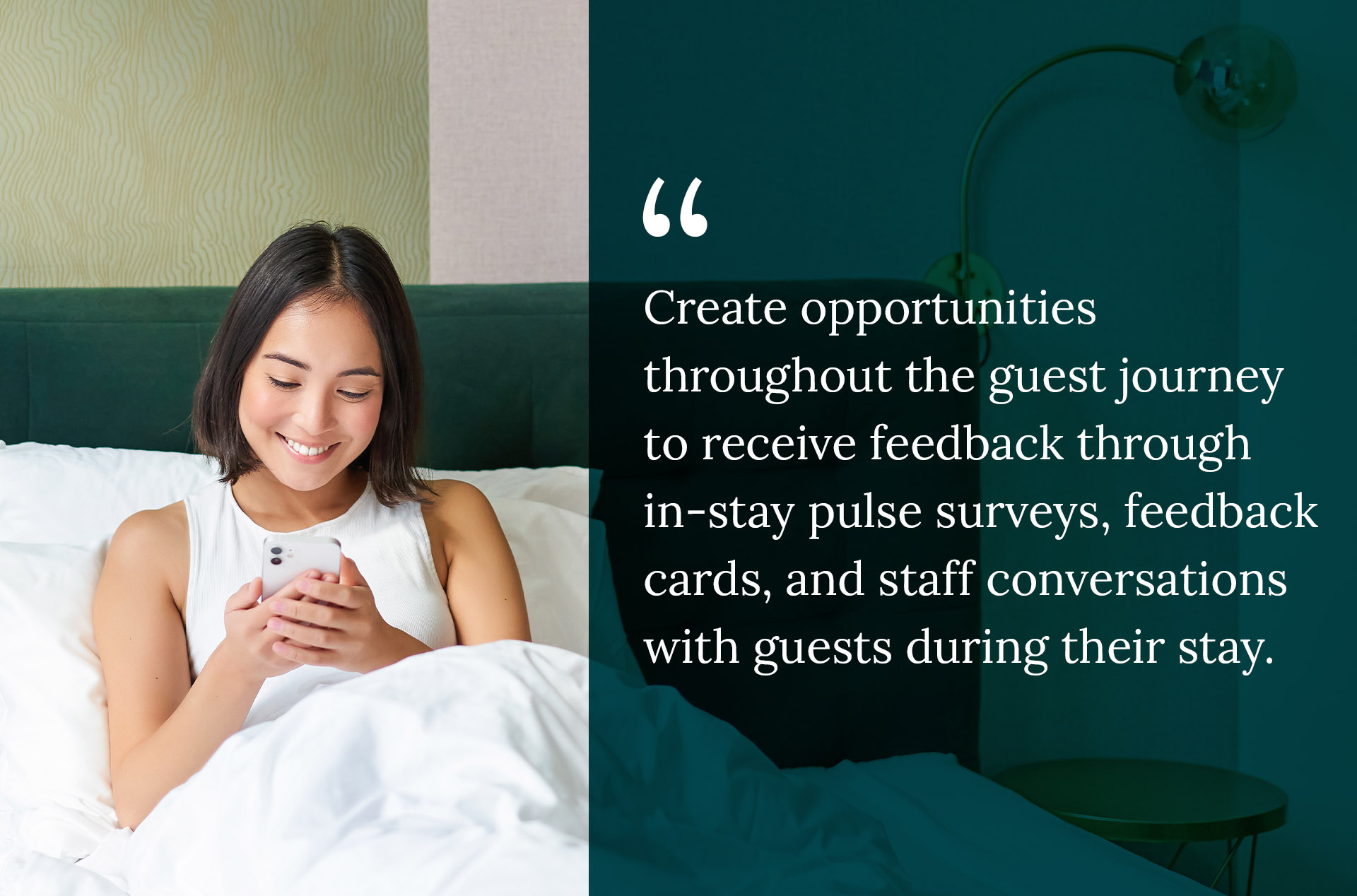
Create systematic feedback collection: Don't rely solely on post-stay reviews—create opportunities throughout the guest journey to receive feedback through in-stay pulse surveys, feedback cards, and staff conversations with guests during their stay.
Analyze patterns for prevention: Look beyond isolated complaints to identify recurring trends, analyzing feedback to uncover root causes and address them proactively. If multiple guests mention slow elevator service or consistently flag cleanliness issues in specific rooms, these patterns reveal operational improvements that prevent future complaints.
Share success stories organization-wide: When team members successfully turn challenging situations into positive outcomes, share these examples across departments. This reinforces best practices while building confidence throughout your team.
Leveraging Modern Communication Channels
Today's guests expect flexibility in how they communicate with your property. Hotels have opened new guest communication channels, including text messaging services, mobile apps, and digital platforms, to capture more business and meet varying preferences across different market segments.
Train your staff to maintain consistent quality across all channels:
Digital communication excellence: Whether responding via email, text, or chat, be sure messages reflect the same warmth and professionalism as face-to-face interactions. Teach staff to convey empathy through written words, using thoughtful language that demonstrates genuine care.
Omnichannel coordination: Guests may start a conversation at the front desk, continue it via text, and conclude it through your mobile app. Train staff to document interactions comprehensively, ensuring seamless handoffs between channels and team members.
Response time expectations: Set standards for minimum response times and consider utilizing messaging platforms with built-in automation tools like auto-replies and escalation triggers so guests receive prompt responses.
Building Loyalty Through Service Excellence
Statistics show that existing customers are 60-70% more likely to buy again compared to just 5-20% for new prospects, and a 5% increase in retention can boost profits by 25-95%. These compelling numbers highlight why investing in communication training delivers measurable returns.
Create loyalty-building behaviors through:
Personalization training: Teach staff to remember and acknowledge returning guests, reference previous stays when appropriate, and anticipate preferences based on past interactions.
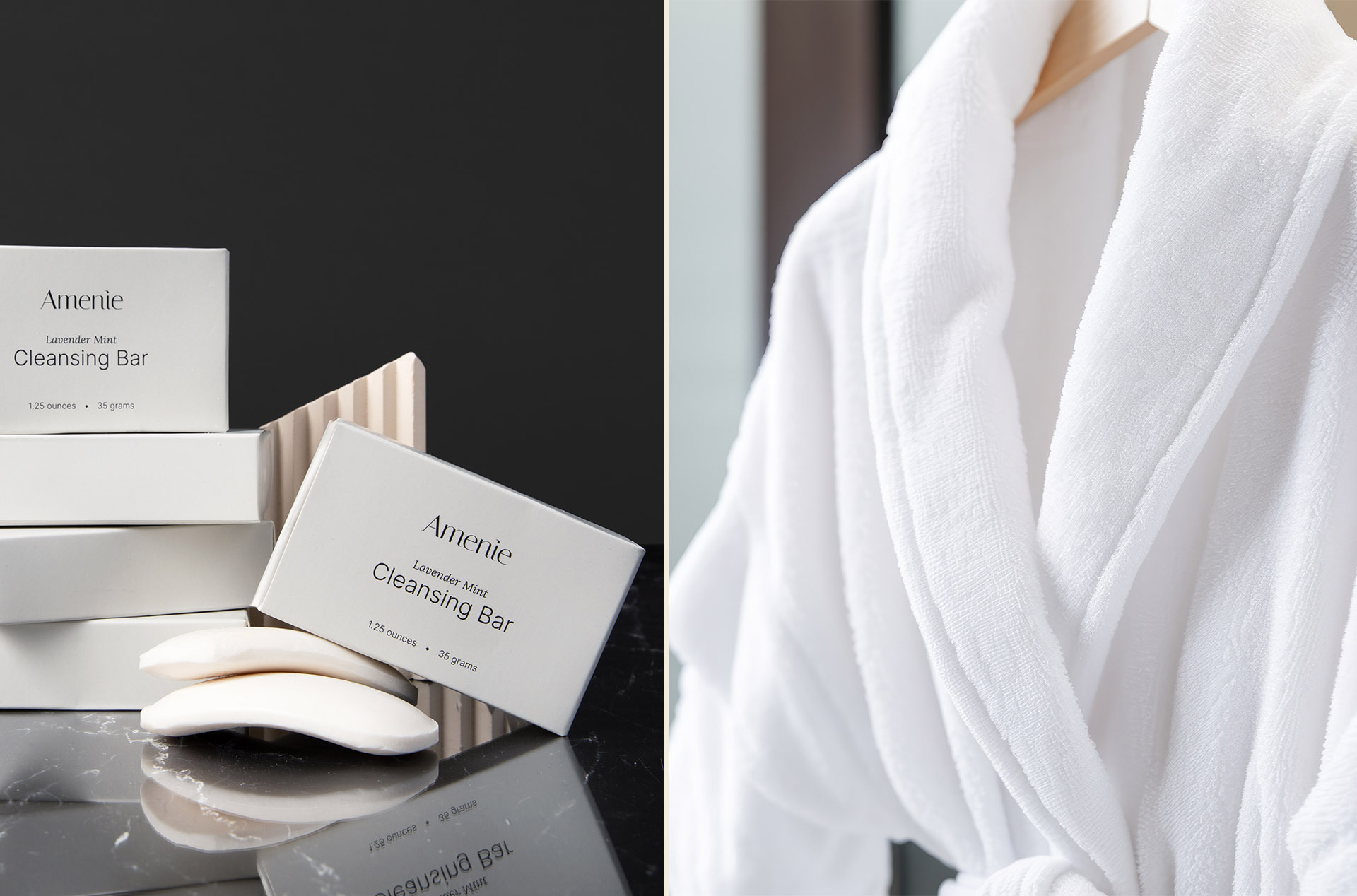
Surprise and delight initiatives: Simple gestures like complimentary upgrades or loyalty incentives make all the difference in keeping guests coming back. Empower staff to identify opportunities for these memorable touches—perhaps through thoughtful additions like artisan-crafted guest soaps or plush robes.
Authentic relationship building: Move beyond transactional interactions to create genuine connections. Train staff to engage in appropriate personal conversations, remember details about guests' interests or travel purposes, and follow up on previous discussions during return visits.
Creating a Culture of Communication Excellence
Sustainable improvement in guest communication requires more than individual training—it demands a cultural shift throughout your organization, much like how thoughtful amenity selection reflects your property's overall commitment to excellence.
By fostering a culture of transparency and trust, hotels create environments where employees feel valued, respected, and empowered to contribute their best, promoting collaboration, innovation, and shared commitment to delivering exceptional guest experiences.
Regular training reinforcement: Communication skills require continuous development. Schedule monthly workshops, quarterly assessments, and ongoing coaching to maintain high standards.
Recognition and rewards: Acknowledge and reward employees who exemplify excellent communication skills through formal recognition programs, incentives, or public acknowledgment, as highlighting positive examples reinforces desired behaviors and motivates others to improve.
Leadership modeling: Management demonstrates the communication standards expected of all team members. When leaders actively listen, respond with empathy, and handle challenges gracefully, they set the tone for the entire organization.
Measuring Success and Maintaining Momentum
Track your communication training effectiveness through:
Guest satisfaction metrics: Monitor scores specifically related to staff friendliness, helpfulness, and problem resolution. These targeted measurements reveal whether training translates into improved guest experiences.
Internal feedback systems: Implement regular feedback mechanisms such as surveys, suggestion boxes, or town hall meetings that provide employees with platforms to share ideas and concerns openly.
Recovery success rates: Track how often service recovery efforts convert dissatisfied guests into satisfied ones. This metric directly correlates with your team's complaint handling abilities.
Online reputation monitoring: Analyze reviews for mentions of staff interactions, both positive and negative. These authentic guest voices provide unfiltered feedback on your communication effectiveness.
The Path Forward: Communication as Competitive Advantage
In an industry where products and amenities can be replicated, exceptional communication remains your most powerful differentiator. Every interaction—from explaining your property's commitment to sustainable practices through eco-friendly amenity choices to graciously handling a maintenance issue—shapes your guests' perception and determines your reputation.
By investing in comprehensive communication training, you're not just improving service quality; you're building a foundation for sustainable success. Well-trained staff who communicate effectively create positive experiences that generate organic marketing through word-of-mouth recommendations and glowing reviews.
Remember, in today's digital world, where online reviews and social media play significant roles in shaping a hotel's reputation, managing guest complaints effectively is more important than ever—a single negative review can have far-reaching consequences, but a complaint handled well can lead to positive feedback and boost the hotel's reputation.
The journey toward communication excellence is ongoing, requiring consistent effort, regular refinement, and unwavering commitment. Yet the rewards—increased guest loyalty, improved staff morale, reputation, and stronger financial performance—justify every investment in your team's communication capabilities.
As you implement these training strategies, remember that transformation doesn't happen overnight. Start with foundational skills, build consistently, and celebrate incremental improvements. Over time, exceptional communication will become second nature to your team, setting your property apart in an increasingly competitive marketplace.
Your guests arrive seeking more than just accommodation—they seek experiences that restore, inspire, and create lasting memories. Through thoughtful communication training that emphasizes authenticity, empathy, and excellence—combined with careful attention to every sensory detail of their stay—you equip your team to deliver on this promise, transforming every stay into an opportunity to build lasting relationships and genuine loyalty.
Frequently Asked Questions
How often should you conduct communication training for hotel staff?
Communication training should be an ongoing initiative rather than a one-time event. We recommend conducting comprehensive training sessions quarterly, with monthly refresher workshops focusing on specific skills like active listening or complaint handling. Additionally, incorporate daily pre-shift briefings where managers can reinforce key communication principles and share recent guest feedback examples. New hires should receive intensive communication training during their onboarding process, typically spanning their first two weeks of employment.
What are the most common communication mistakes hotel staff make?
The most frequent communication errors include interrupting guests before they finish speaking, using industry jargon that guests may not understand, and failing to follow up on promised actions. Staff often struggle with maintaining consistent communication quality during busy periods, defaulting to rushed or impersonal interactions. Another common mistake is treating all guests identically rather than adapting communication styles to individual preferences and cultural backgrounds. Many staff members also underestimate the importance of non-verbal communication, missing crucial body language cues that signal guest dissatisfaction.
How can small hotels with limited budgets implement effective communication training?
Budget-conscious properties can leverage several cost-effective training strategies. Partner with local hospitality schools for student-led training programs or internship opportunities. Utilize free online resources and webinars from hospitality associations. Implement peer-to-peer training where experienced staff mentor newer team members. Create in-house training materials using real guest feedback and successful resolution examples from your property. Consider joining hospitality procurement networks that offer training resources alongside supply benefits, maximizing your investment in both operations and staff development.
What metrics should you track to measure communication effectiveness?
Key performance indicators include guest satisfaction scores specifically related to staff interactions, response time to guest requests across all channels, and complaint resolution rates. Monitor the ratio of complaints resolved during the stay versus those appearing in post-stay reviews. Track repeat guest rates and direct booking percentages, as these often correlate with positive communication experiences. Additionally, measure internal metrics like staff turnover rates and employee satisfaction scores, as teams with strong communication cultures typically show higher retention and morale.
How do you handle language barriers with international guests?
Start by identifying the most common languages among your guest demographics and provide basic phrase cards for staff in those languages. Invest in translation apps or devices for front-line staff, ensuring they're trained on proper usage. Partner with local language schools or cultural organizations for specialized training sessions. Create visual communication aids for common requests and directions. Consider hiring multilingual staff during peak international travel seasons. Most importantly, train all staff that patience, respect, and genuine effort to understand transcend language barriers.
What role does technology play in improving guest communication?
Technology should enhance, not replace, personal interaction. Implement messaging platforms that allow guests to communicate via their preferred channels while maintaining service quality. Use property management systems that provide staff with guest history and preferences for more personalized interactions. Deploy feedback collection tools that capture real-time sentiment during stays. However, be sure staff are trained to recognize when technology creates barriers and to seamlessly transition to face-to-face communication when needed. The goal is to use technology to free up time for more meaningful guest interactions.
How can you prevent staff burnout while maintaining high communication standards?
Create realistic expectations by properly staffing during peak periods and establishing clear communication protocols that prevent redundant efforts. Rotate staff between high-intensity guest-facing roles and behind-the-scenes positions. Implement stress management workshops and provide quiet spaces for staff breaks. Recognize and reward exceptional communication efforts publicly. Empower staff with decision-making authority to resolve issues quickly, reducing prolonged, stressful interactions. Regular check-ins with team members help identify burnout signs early, allowing for proactive support.
What's the best way to handle negative online reviews about staff communication?
Respond promptly and professionally to all reviews, acknowledging specific concerns without being defensive. If the review identifies a genuine service failure, outline concrete steps taken to prevent recurrence. Use negative reviews as training opportunities, discussing them constructively with staff to identify improvement areas. When appropriate, invite the guest to return and experience your improved service. Remember that potential guests often value how you handle criticism more than perfect scores. Consider implementing a service recovery program that addresses issues before they become negative reviews.
How do you maintain communication consistency across different shifts and departments?
Develop comprehensive standard operating procedures that outline communication expectations for every guest touchpoint. Implement detailed shift handover protocols, ensuring critical guest information transfers seamlessly. Use centralized communication platforms where all departments can access guest preferences and ongoing issues. Conduct regular inter-departmental meetings to align on communication standards and share best practices. Create a unified training curriculum that all departments follow, regardless of their specific roles. Consider appointing communication champions in each department who make sure standards are maintained and can provide peer coaching.
Should communication training differ for different hotel departments?
While core communication principles remain consistent, training should be tailored to each department's specific guest interactions. Front desk staff need extensive training on first impressions, check-in/out procedures, and handling diverse requests. Housekeeping requires training on non-verbal communication and cultural sensitivity when entering guest spaces. Food and beverage teams need skills in suggestive selling and dietary restriction discussions. Maintenance staff should learn to explain technical issues in guest-friendly language. However, all departments should receive unified training on your property's service standards, complaint handling procedures, and emergency communication protocols.