




How to Handle Hotel Noise Complaints and Improve Guest Sleep Quality
Posted by Amenie on Feb 17, 2026
A good night's sleep ranks among the most fundamental promises a hotel makes to its guests. Yet noise consistently tops the list of hotel complaints across all property types and price points. While cleanliness forms one pillar of guest comfort, noise control and sleep quality form another equally critical dimension of the guest experience. According to J.D. Power surveys, noise disturbances rank either first or second among guest grievances, and many travelers report having their sleep disrupted by hotel room noise at some point during their stays.
The stakes extend far beyond a single unhappy guest. Industry research suggests that the vast majority of travelers would not recommend a hotel where they experienced significant noise issues. Even more concerning, guests are far more likely to post a negative review about noise problems than to report them to the front desk during their stay. By the time management learns of a problem through online reviews, the damage to reputation and future bookings has already begun.
For properties willing to take noise and sleep quality seriously, however, the opportunity is significant. Guests who experience better-than-expected sleep quality are far more likely to book again. Creating an environment conducive to restful sleep transforms one-time visitors into loyal repeat guests who actively recommend your property.
Why Hotel Noise Complaints Matter for Guest Satisfaction and Reviews
Noise complaints don't just represent minor inconveniences—they carry substantial financial implications. Hotels frequently compensate unhappy guests with discounts, free nights, or loyalty points, costs that accumulate significantly over time. Industry estimates suggest larger hotel chains may spend tens of thousands of dollars annually on noise-related compensation alone.
The hidden costs prove even more damaging. A guest kept awake by noise next door might not complain during their stay, but they're unlikely to return. Worse, they may share their frustration through reviews that influence hundreds of potential bookings. Multiple negative reviews mentioning noise issues can establish a reputation that takes years to overcome.
The good news is that properties investing in noise management see measurable returns. One hotel group that implemented soundproofing improvements and noise monitoring technology reported significant reductions in noise complaints—some as high as 30-35%—along with improved average guest ratings and double-digit increases in return visits
Common Sources of Hotel Noise Problems
Effectively addressing noise requires understanding where problems originate. Most hotel noise issues fall into two categories: controllable internal sources and external factors requiring different solutions.
Internal noise sources include thin walls that transmit conversations or television audio from adjacent rooms, hallway traffic creating footsteps and door slams outside guest rooms, elevator and ice machine operations near sleeping areas, and HVAC systems generating constant background hum. These issues can typically be addressed through property improvements, policy changes, or guest management.
External noise presents different challenges. Street traffic, nearby nightlife, construction projects, and aircraft paths may be largely outside your control. Properties in busy urban areas or near transportation hubs face particular difficulties, though even these situations have mitigation strategies.
Understanding which category your noise complaints fall into helps determine appropriate responses. Internal issues warrant direct intervention and systemic fixes. External noise may require creative solutions like strategic room assignments, amenity offerings, or acoustic improvements that reduce transmission.
Creating and Enforcing Effective Hotel Quiet Hours Policies
Clear noise policies form the foundation of any noise management strategy. Yet many hotel policies still rely on vague warnings and threatened penalties that feel adversarial to guests. Effective policies feel guest-centric—they communicate expectations clearly while emphasizing your commitment to everyone's peaceful stay.
Establishing Clear Quiet Hours
Most properties set quiet hours between 10 PM and 7 AM, though some adjust based on guest demographics or property type. Weekend quiet hours at urban business hotels might differ from resort properties, where guests expect more flexibility. Whatever hours you choose, consistency matters more than the specific times.
Communicate quiet hours across multiple touchpoints so they never come as a surprise. Include them in confirmation emails, mention them at check-in, post them on in-room signage, and reference them in your guest app or digital guide. This repetition creates clarity and reduces the need for confrontation when issues arise.
Frame quiet hours positively rather than punitively. Instead of threatening consequences for violations, emphasize how your property protects peaceful stays for all guests. This shifts the tone from rules to reassurance.
Enforcement That Preserves Guest Relationships
When guests violate noise policies, your response approach determines whether you resolve the situation or escalate tensions. A graduated escalation process works best for most properties.
Start with a phone call to the offending room. Often, guests don't realize how their voices or music carry to neighboring rooms, and a polite reminder resolves the situation. If noise continues, an in-person visit conveys the seriousness while maintaining a respectful tone. For persistent or severe disturbances, most security protocols support asking guests to leave after appropriate warnings.
Document all incidents in your property management system, including timing, actions taken, and resolution. This documentation helps identify patterns by room, floor, or guest type, enabling proactive solutions. It also protects your property if disputes arise later.
Training Staff to Handle Hotel Noise Complaints Effectively
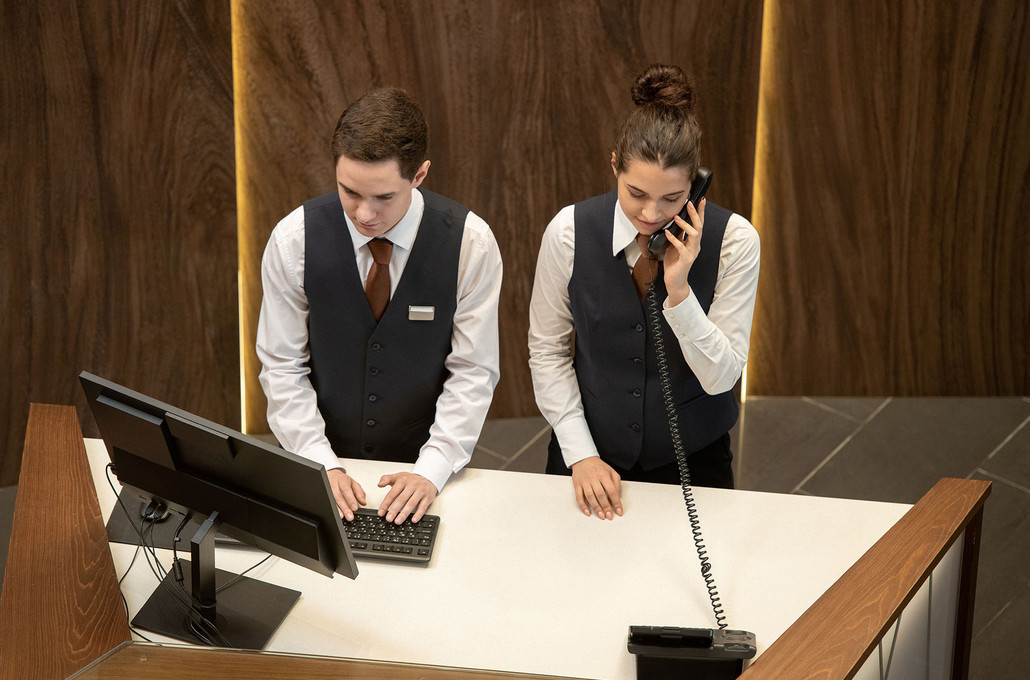
Front desk agents and security personnel represent your first line of response when guests report noise issues. Their handling of these situations can transform a negative experience into a demonstration of your property's commitment to guest comfort.
Responding With Empathy
When a frustrated guest approaches the front desk at 11 PM, complaining about noise, their first need is acknowledgment. Train staff to listen attentively, validate the frustration, and apologize sincerely—even when the noise source lies outside your control. Phrases like "I completely understand how disruptive that must be" show genuine concern before moving to solutions.
Avoid defensive responses or explanations that sound like excuses. A guest kept awake by noise doesn't care whether the offending room contains a wedding party or whether thin walls are "standard for this price point." They care about getting sleep. Focus responses on resolving their immediate situation rather than explaining why it happened.
Taking Swift Action
After acknowledging the complaint, act immediately. Even if resolution takes time, the guest should see evidence of your response within minutes. Call or visit the offending room while the complaining guest knows you're taking action. Offer interim solutions like earplugs, a white noise machine, or a room change while addressing the source.
Follow up with the affected guest after taking action. This close-the-loop approach shows continued concern and allows you to offer additional compensation if the situation warrants it. Many guests mention in reviews not just the problem, but how the hotel handled it—a swift, sincere response can turn a negative into a positive memory.
Empowering Resolution Authority
Frontline staff need the authority to resolve issues without escalating every complaint to management. Establish clear guidelines for what staff can offer: room changes, discount amounts, complimentary services, or future stay credits. When staff can act decisively, guests feel their concerns matter enough for immediate attention.
How to Build a Sleep-Friendly Hotel Room Environment
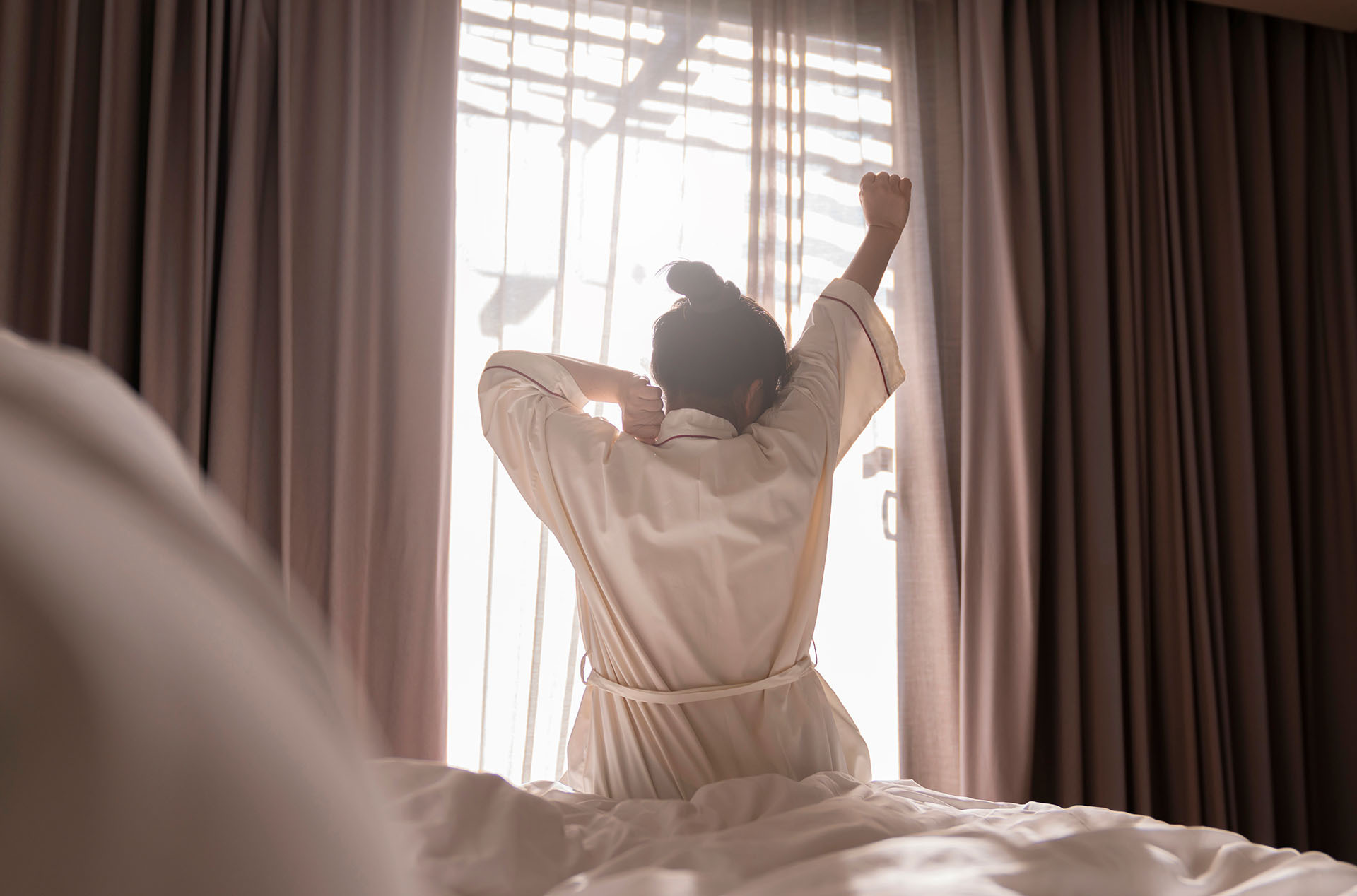
Beyond reactive noise management, proactive properties create environments that promote restful sleep regardless of occasional disturbances. This comprehensive approach addresses the multiple factors affecting sleep quality.
Investing in Quality Bedding and Linens
Sleep quality starts with the bed itself. A comfortable mattress, supportive pillows, and soft, breathable linens create the physical foundation for restful sleep. High thread count cotton sheets, quality blankets appropriate to your climate, and properly fitting pillowcases all contribute to guest comfort.
Consider offering pillow options to accommodate different sleep preferences. Some guests prefer firm support while others want soft cushioning. A pillow menu—even a simple choice between firm and soft—demonstrates attention to individual needs and can significantly improve sleep satisfaction.
Replace mattresses and bedding before visible wear becomes apparent to guests. A lumpy mattress or scratchy sheets can ruin sleep, no matter how quiet your property. Regular inspection protocols help identify replacement needs before complaints occur. Properties focused on both guest wellness and sustainability can choose high-quality hotel linens that combine durability with comfort, reducing replacement frequency while maintaining a superior guest experience.
Optimizing Room Environment for Better Sleep
Temperature significantly affects sleep quality. Research suggests optimal sleeping temperatures fall between 60-67°F (15-19°C). Providing guests with easy-to-use climate controls and clear instructions for adjusting room temperature empowers them to find their comfort zone.
Light control matters equally. Effective blackout curtains or shades that fully block windows create the darkness conducive to deep sleep. Check that your window treatments actually block light—gaps around edges or worn fabric can defeat their purpose.
Air quality influences sleep more than many properties realize. Allergens, stale air, or unpleasant odors can disrupt rest even in perfectly quiet rooms. Regular HVAC maintenance, quality cleaning practices, and attention to air freshness create a healthier sleep environment. Consider adding odor control solutions designed for hospitality settings to keep rooms smelling fresh and inviting without overwhelming fragrances.

Creating Pre-Sleep Comfort Rituals
The hour before sleep influences sleep quality significantly. Consider how your amenities support guest relaxation during this critical window.
Quality bath and body products create a soothing pre-sleep ritual. Calming scents like lavender can help guests transition from the day's activities. Plush towels and comfortable robes extend the comfort experience beyond the bed itself.
For properties targeting wellness-conscious travelers, specialized turndown services can differentiate your sleep offering. Temperature adjustment to optimal sleeping range, positioning blackout curtains, dimming lights, and removing blue-light emitting devices from bedside areas all demonstrate commitment to sleep quality. These touches create memorable experiences that guests associate with restful, rejuvenating stays.
Hotel Soundproofing and Acoustic Improvements to Reduce Noise Complaints
For properties experiencing persistent noise complaints, structural improvements may prove the most effective long-term solution. While these investments require capital, they directly improve guest experience and can command premium rates.
Construction and Design Approaches
Several construction techniques reduce noise transmission between rooms. Double-pane windows significantly reduce street noise in urban locations. Acoustic insulation between walls and floors minimizes sound transfer from adjacent rooms. Solid-core doors with proper seals prevent hallway noise from entering guest rooms.
Soft materials absorb sound better than hard surfaces. Thick carpeting and quality underlay reduce footstep noise in hallways. Heavy curtains absorb sound within rooms. Even adding upholstered furniture can reduce echo and make rooms feel quieter.
Equipment placement affects noise patterns throughout your property. Locate ice machines, vending areas, elevators, and mechanical systems away from guest rooms where possible. When proximity is unavoidable, additional insulation around these areas reduces transmission.
Fitness Center Flooring and Noise Insulation
Hotel fitness centers present unique noise challenges, particularly when located near or below guest rooms. Treadmill vibrations, dropped weights, and cardio equipment can transmit through floors and walls, disturbing guests trying to sleep. Addressing fitness center noise at the source—through proper flooring—often proves more effective than treating symptoms elsewhere in the building.
Specialized rubber flooring offers excellent sound dampening and shock absorption. Rolled rubber provides seamless wall-to-wall coverage that minimizes vibration transfer, while interlocking tiles offer flexibility and easy installation. Thicker options—such as 1-inch tiles—deliver superior noise reduction for high-impact areas. We offer equipment and flooring solutions specifically engineered to protect floors, reduce noise, and dampen vibrations in commercial fitness settings.
For existing fitness centers with noise issues, adding quality rubber flooring beneath and around equipment can significantly reduce sound transmission to adjacent spaces—while also extending equipment life and creating a more comfortable workout environment.
Sound Masking Technology
While soundproofing blocks noise, sound masking takes a different approach—it reduces the disruptive impact of sounds by raising the ambient background level. Commercial-grade sound masking systems create a consistent background sound that covers up many noises and makes others less jarring by reducing the contrast between baseline and peak volumes.
Properties using sound masking technology report significant reductions in noise complaints. Case studies from sound masking vendors across major hotel brands show complaint reductions of up to 85%, along with improved guest satisfaction scores for comfort and sleep.
Guests can often adjust masking levels to their preference, similar to controlling temperature or lighting. This customization allows noise-sensitive travelers to maximize the masking effect while others choose minimal adjustment.
Noise Monitoring Solutions
Proactive properties increasingly use noise monitoring technology to identify and address disturbances before they generate complaints. These devices measure decibel levels without recording actual audio, alerting staff when sustained loud noise exceeds preset thresholds.
The benefits extend beyond catching parties. Noise data collected over time reveals patterns—specific rooms with thin walls, floors with HVAC issues, or times when hallway traffic peaks. This intelligence enables targeted improvements rather than property-wide investments.
Monitoring also allows automated guest communication. When noise levels rise, some systems send courtesy messages to the offending room before staff intervention becomes necessary. This gentle approach often resolves situations before neighboring guests even notice a disturbance.
Using Strategic Room Assignment to Reduce Hotel Noise Complaints
Smart room assignment can prevent many noise complaints before they occur. Train your front desk team to consider noise factors when assigning rooms, not just availability and loyalty status.
Identify your quietest rooms—typically those away from elevators, ice machines, and street-facing windows. Reserve these for guests who request quiet accommodations or those whose profiles suggest sensitivity to noise, such as business travelers or guests celebrating special occasions.
When large groups like wedding parties or sports teams check in, cluster their rooms together and away from other guests. Placing a chaperone or group leader in a position to monitor activity reduces the likelihood of disturbances affecting other floors.
Consider creating buffer zones during high-occupancy periods. Leaving rooms adjacent to likely noise sources unassigned when possible provides insulation for guests who end up in neighboring rooms.
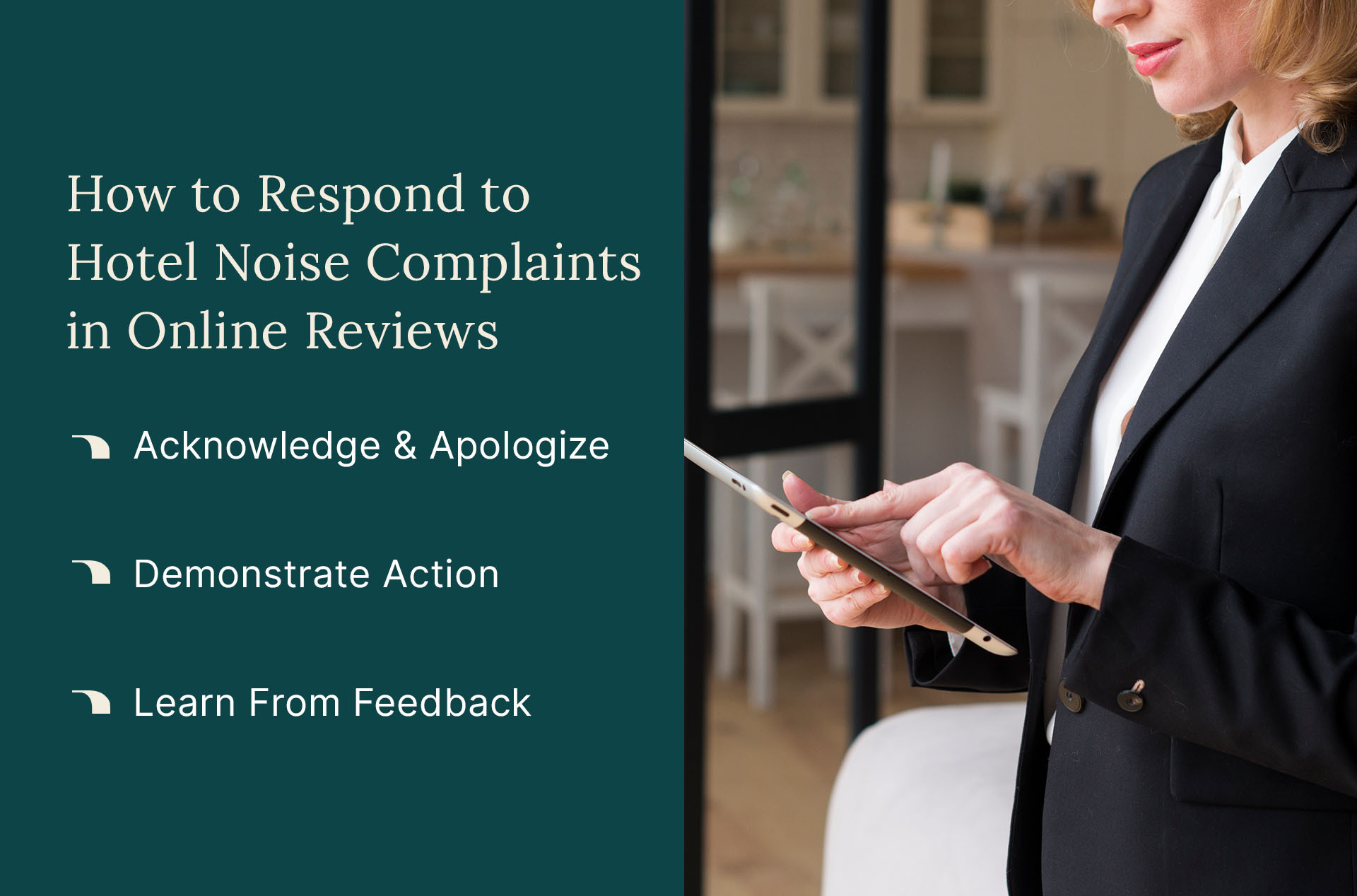
How to Respond to Hotel Noise Complaints in Online Reviews
Despite your best efforts, some noise complaints will appear in online reviews. How you respond shapes the perception of future guests considering your property.
Acknowledge and Apologize
Never dismiss or minimize a noise complaint in your response. Even if you believe the guest's expectations were unreasonable, acknowledge that their experience fell short of satisfaction. A sincere apology—without excuses or defensiveness—shows future readers that you take concerns seriously.
Avoid generic responses that sound automated. Reference specific details from the review to demonstrate genuine engagement. A response that says "I'm sorry to hear noise from the street affected your sleep on Tuesday" feels more authentic than "We apologize for any inconvenience during your stay."
Demonstrate Action
Describe what your property does to address noise concerns, whether those actions existed before this complaint or represent changes you're implementing. Mention soundproofing features, quiet room options, or policies you enforce. This reassures future guests that you're not just apologizing but actively working on the issue.
If appropriate, invite the reviewer to return and experience your quieter accommodations. Offering to personally ensure their next stay meets expectations transforms a negative review into an invitation for redemption.
Learn From Feedback
Every noise complaint contains intelligence about your property's vulnerabilities. Track complaint patterns by room, floor, time, and noise source. This data reveals systemic issues that operational changes or targeted improvements can address.
When multiple complaints identify the same problem—thin walls between specific rooms, elevator noise at particular hours, or street traffic affecting certain floors—prioritize those areas for investigation and improvement.
Frequently Asked Questions
What are the most common hotel noise complaints?
Guests most frequently complain about noise from neighboring rooms (conversations, television, music), hallway disturbances (footsteps, door slams, conversations), elevator and mechanical equipment sounds, and external sources like street traffic or construction. Thin walls that transmit sound from adjacent rooms generate particularly strong reactions because guests feel entitled to privacy and quiet within their own room.
How should front desk staff respond when guests complain about noise?
Staff should listen attentively, acknowledge the guest's frustration with empathy, and apologize sincerely for their experience being disrupted. Avoid defensive explanations or excuses. Take immediate visible action—call or visit the offending room, offer solutions like earplugs or room changes, and follow up afterward to confirm the situation improved. Empower staff with authority to offer appropriate compensation without manager approval.
What quiet hours should hotels enforce?
Most hotels set quiet hours between 10 PM and 7 AM, though optimal times vary by property type and guest demographics. Business hotels in urban areas often enforce stricter policies, while resort properties may adjust for weekend flexibility. Whatever hours you establish, communicate them clearly through multiple channels and enforce them consistently.
How can hotels reduce noise without major construction?
Several lower-cost strategies reduce noise complaints. Strategic room assignment keeps noise-sensitive guests away from problem areas. Sound masking technology reduces the perceived impact of intermittent sounds. Soft furnishings like heavy curtains, rugs, and upholstered furniture absorb sound within rooms. Clear policies and staff training improve complaint handling. Offering amenities like earplugs or white noise machines addresses individual needs.
How does sleep quality affect hotel reviews and repeat bookings?
Sleep quality significantly influences guest satisfaction, reviews, and return intentions. Research indicates that many travelers specifically read reviews mentioning sleep quality before booking. Guests who experience better-than-expected sleep show substantially higher rebooking rates. Conversely, poor sleep drives negative reviews that deter potential guests and damage long-term reputation.
Should hotels offer room changes for noise complaints?
Yes, offering room changes demonstrates commitment to guest comfort and often represents the fastest path to resolution. However, room changes shouldn't be your only response—also address the noise source when possible to protect other guests. Document room change patterns to identify problem rooms requiring investigation or improvement.
How can properties identify noise problems before complaints occur?
Noise monitoring technology measures sound levels continuously and alerts staff when thresholds are exceeded. Regular room inspections can identify potential issues like failing HVAC equipment or loose door hardware. Analyzing complaint data reveals patterns pointing to systemic problems. Asking departing guests about sleep quality through surveys captures feedback that might not otherwise surface.
What role do bedding and amenities play in guest sleep quality?
Quality bedding forms the foundation of restful sleep. Comfortable mattresses, supportive pillows, and soft, breathable linens directly impact how well guests sleep. Properties that invest in premium hotel bedding and quality bath amenities create environments where guests can truly relax and recharge, leading to better reviews and stronger loyalty.