




Housekeeping Excellence: How to Prevent the Most Common Hotel Cleanliness Complaints
Posted by Amenie on Jan 09, 2026
Cleanliness remains one of the most influential factors in overall hotel satisfaction. In 2024, room cleanliness created a dramatic -9.52 point impact on hotel scores, making it one of the most influential factors in guest sentiment. With 48% of guests likely to write reviews after negative experiences, a single housekeeping oversight can reverberate through your digital reputation for years.
This comprehensive guide breaks down the most persistent cleanliness complaints, why they happen, and provides actionable systems that transform housekeeping from a vulnerability into a competitive advantage. Through strategic planning, thoughtful product selection, and operational excellence, properties can consistently deliver the spotless experiences modern travelers demand.
Understanding Guest Expectations: The Cleanliness Complaints That Matter Most
1. Linen and Bedding Disappointments
Nothing destroys guest confidence faster than discovering stained sheets, threadbare towels, or poorly made beds. These textile failures immediately signal corner-cutting and neglect. Combat this perception by choosing commercial bedding and hotel towels that can withstand commercial laundering while maintaining the plush feel guests associate with quality.
Prevention Strategy: Implement a three-stage linen inspection protocol—before placement, after bed-making, and during final room verification. Retire textiles at the first signs of wear rather than waiting for visible deterioration.
2. Bathroom Hygiene Failures
Bathrooms trigger the strongest emotional responses to cleanliness lapses. Hair strands, soap scum, mildew, or toilet rings create visceral disgust that no amount of service recovery can fully erase.
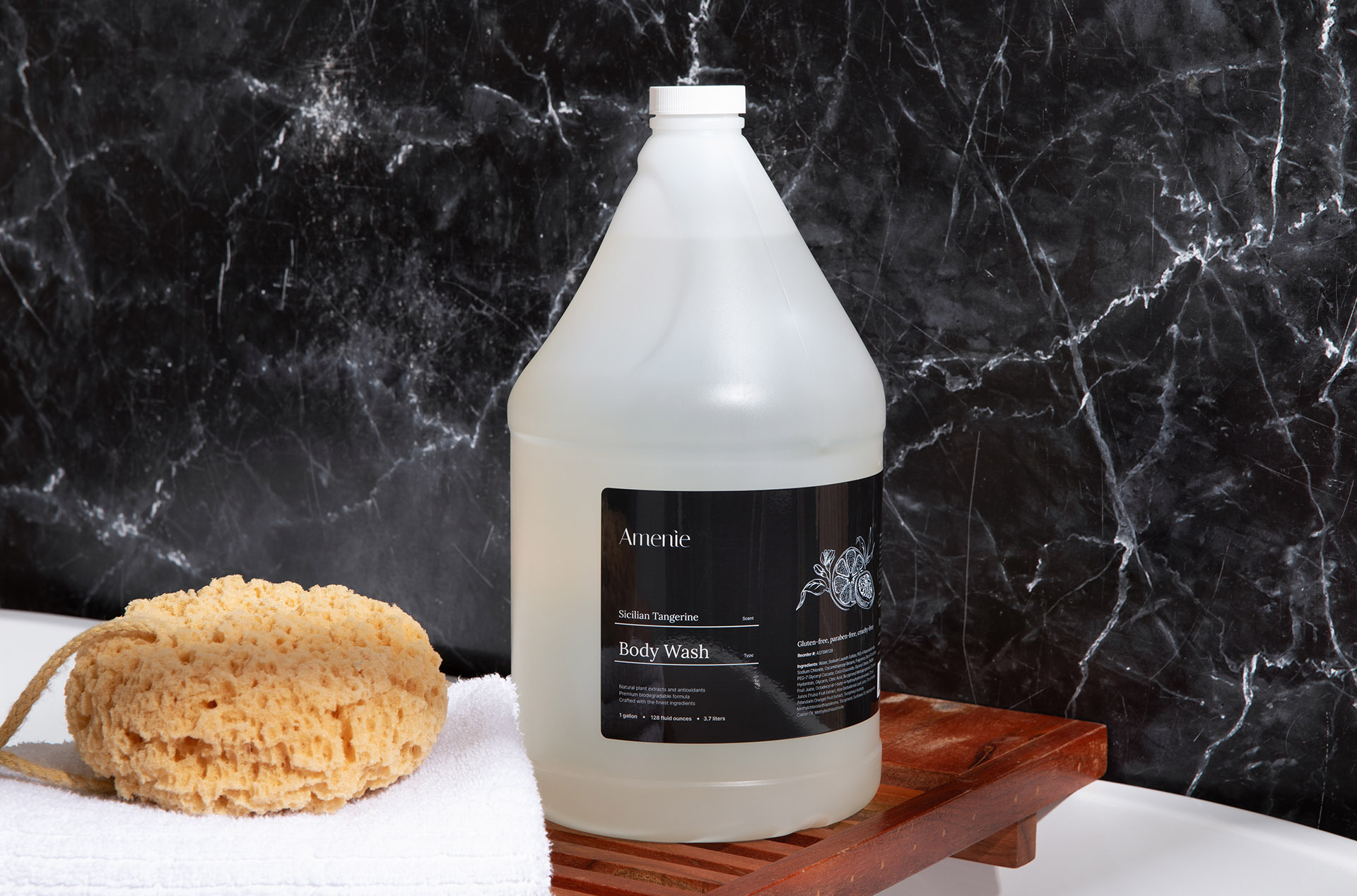
Prevention Strategy: Deploy color-coded cleaning systems to prevent cross-contamination. Stock bathrooms with luxury bath amenities that signal attention to detail. Schedule weekly deep-cleaning sessions addressing grout lines, exhaust fans, and shower door tracks—areas that daily cleaning often misses.
3. Dust Accumulation and Surface Neglect
Modern guests conduct their own inspections, running fingers across picture frames, checking lamp shade interiors, and examining ventilation grilles. These "dust detective" behaviors reveal whether cleaning is thorough or merely cosmetic.
Prevention Strategy: Train staff to clean from high to low, capturing rather than redistributing particles. Microfiber technology and professional cleaning chemicals deliver superior results compared to traditional methods.
4. Persistent Odors and Air Quality Issues
A visually pristine room fails when musty, chemical, or stale odors linger. Scent powerfully influences perception—rooms that smell fresh feel cleaner, regardless of actual hygiene levels.
Prevention Strategy: Address odor sources rather than masking them. Improve ventilation protocols, replace HVAC filters monthly, and incorporate aircare solutions that create subtle, welcoming atmospheres without overwhelming sensitive guests.
5. Floor and Carpet Oversights
Sticky residues, unvacuumed edges, and visible debris immediately convey a sense of rushed or incomplete cleaning. These ground-level failures are often the first things guests notice upon entering the property.
Prevention Strategy: Establish overlapping vacuum patterns covering every inch twice. Edge-clean weekly using specialized attachments. For hard surfaces, proper dilution ratios prevent the sticky buildup that attracts dirt and creates slip hazards.
The Hidden Amplifiers: Why Small Issues Become Major Complaints
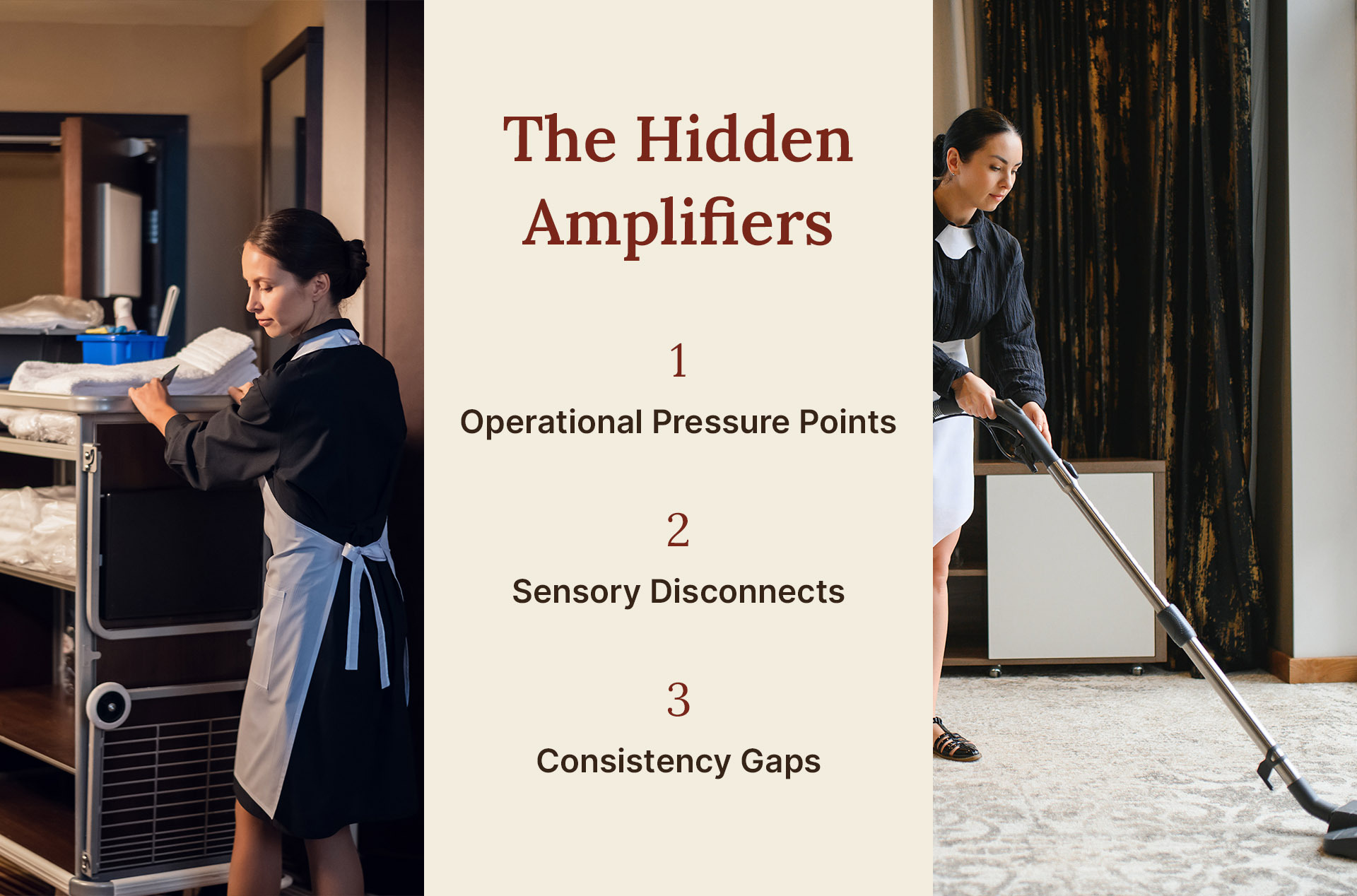
Operational Pressure Points
Late checkouts colliding with early arrivals compress cleaning windows, forcing staff to choose between speed and thoroughness. This operational squeeze generates the majority of cleanliness complaints, particularly during peak occupancy periods.
Sensory Disconnects
Rooms might meet technical cleanliness standards yet fail guest expectations due to sensory issues—harsh chemical smells suggesting recent problems, inconsistent temperatures implying poor maintenance, or rough towels contradicting luxury positioning.
Consistency Gaps
Spotless arrivals followed by declining standards during extended stays erode trust. Guests expect uniform excellence throughout their experience, not just upon arrival.
Building Your High-Performance Housekeeping System
1. Establish Crystal-Clear Standards
Move beyond vague directives like "clean thoroughly" to specific, measurable criteria:
- Precise Instructions: "Scrub grout lines for 30 seconds per linear foot using the designated brush and approved cleaning solution."
- Measurable Outcomes: "Mirrors display zero streaks when viewed at arm's length under standard lighting."
- Realistic Timeframes: Allocate sufficient minutes per task based on actual requirements, not wishful thinking
2. Invest in Comprehensive Training
Housekeeping excellence requires skilled professionals, not just willing workers. Develop training programs covering:
- Chemical safety and proper dilution techniques
- Ergonomic movements to prevent injury while maintaining efficiency
- Cross-contamination prevention through systematic approaches
- Guest interaction skills for in-room encounters
- Sustainability practices aligning with eco-conscious expectations
3. Optimize Supply Chain Management
Quality outcomes depend on quality inputs. Partner with reliable suppliers like Amenie's hospitality procurement services to maintain consistent product availability:
- Establish par levels preventing mid-shift stockouts
- Organize centralized storage, reducing waste
- Implement first-in-first-out rotation, maintaining freshness
- Select eco-friendly products meeting sustainability commitments
4. Leverage Technology Strategically
Digital tools transform housekeeping from reactive to proactive:
- Digital Checklists: Prevent task omission through systematic verification
- Real-Time Updates: Coordinate room status across departments instantly
- Photo Documentation: Create visual proof of standards compliance
- Predictive Analytics: Identify problem patterns before they generate complaints
- Mobile Communication: Resolve issues immediately through instant messaging
The Daily Excellence Framework
Morning Preparation Rituals
Success begins before cleaning starts:
- Supply Verification: Confirm adequate stocks of amenities, cleaning products, and linens
- Equipment Inspection: Test all vacuums, check cleaning cart organization, and verify chemical dilutions
- Team Briefing: Review VIP arrivals, special requests, and the previous day's challenges
- Focus Assignment: Designate one specific improvement area for heightened attention
The Choreographed Cleaning Sequence
Systematic approaches deliver consistent results:
- Initial Assessment (30 seconds): Scan for damage or unusual conditions
- Ventilation Setup (1 minute): Open windows, position equipment strategically
- Bathroom Transformation (7-10 minutes): Follow toilet→shower→sink→mirror progression
- Bedroom Perfection (8-10 minutes): Strip/remake bed, dust systematically, vacuum thoroughly
- Final Detailing (2-3 minutes): Place amenities precisely, adjust environmental controls
- Quality Verification (1 minute): Complete checklist confirmation before room release
Multi-Tier Quality Control: Your Safety Net
Implement three inspection levels, catching issues before guests do:
Level 1: Self-Inspection
Every housekeeper verifies their own work using standardized checklists. This immediate quality control catches 70% of potential issues.
Level 2: Peer Review
Team members inspect each other's rooms on rotation, building collective accountability without creating adversarial dynamics.
Level 3: Management Audit
Supervisors inspect 25% of rooms daily through both random sampling and targeted reviews of new staff or historically problematic areas.
Crisis Management: Rapid Recovery Protocols
When cleanliness failures occur despite prevention efforts:
- Acknowledge Immediately: Never minimize or debate guest concerns
- Apologize Authentically: Express genuine regret for the inconvenience
- Act Decisively: Deploy your best housekeeper for immediate correction
- Verify Satisfaction: Follow up personally confirming resolution
- Document Thoroughly: Record details for training and prevention purposes
Recovery options demonstrating commitment:
- Immediate re-cleaning with supervisor verification
- Room upgrades when available
- Complementary services during resolution
- Thoughtful amenity gifts acknowledging inconvenience
- Appropriate rate adjustments for significant failures
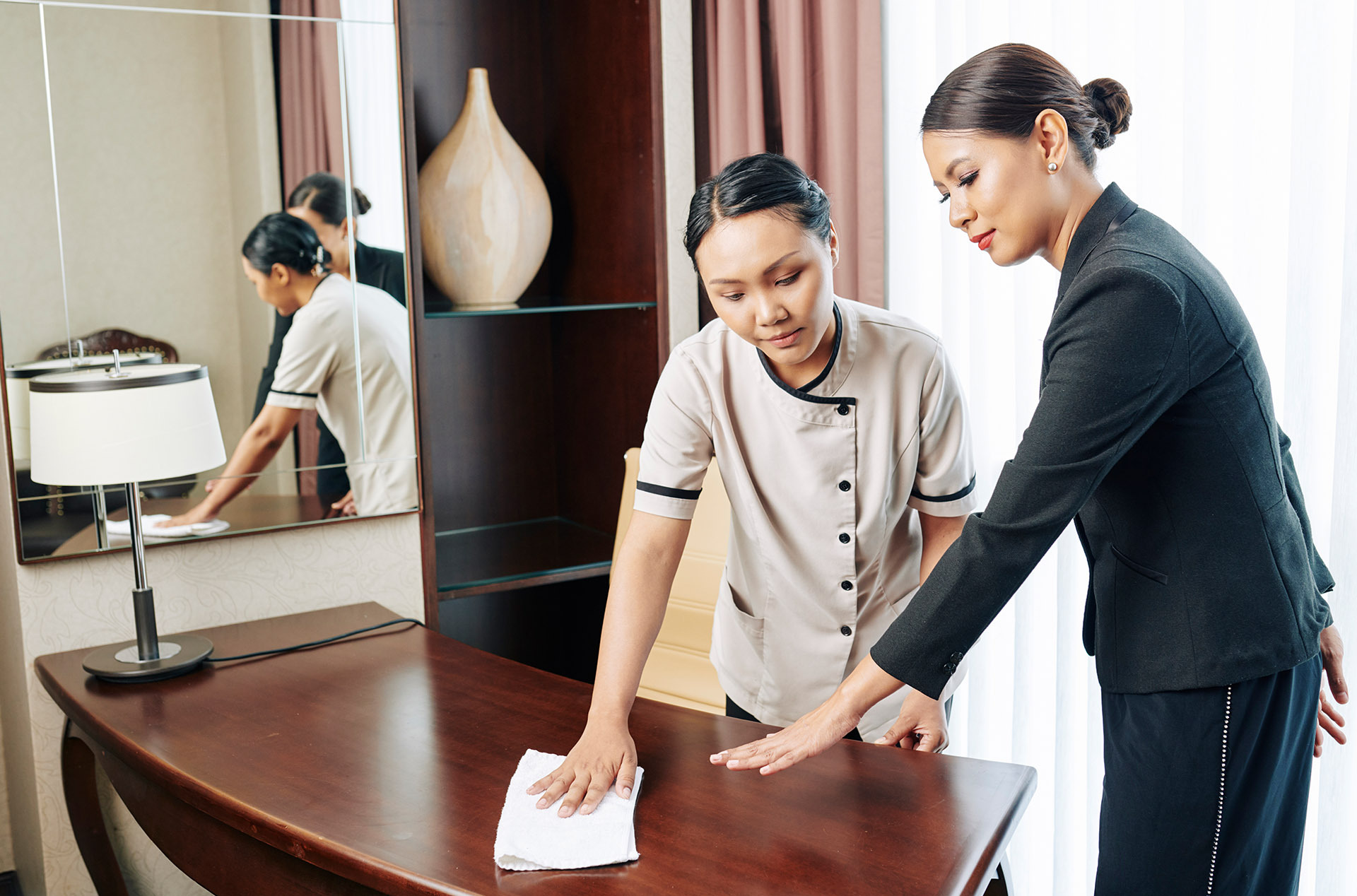
Building Your Excellence Culture
Recognition Over Discipline
Positive reinforcement drives sustainable improvement:
- Celebrate "Perfect Room" streaks publicly
- Share guest compliments, highlighting individual contributions
- Provide advancement opportunities for consistent excellence
- Implement team rewards when metrics improve
- Create "Housekeeper of the Month" programs with meaningful benefits
The Ownership Mindset
Transform your team from task-completers to room curators. When housekeepers approach each room as if preparing for personal guests, attention to detail naturally improves. Foster ownership through:
- Consistent room assignments build territorial pride
- Regular solicitation of improvement suggestions
- Public implementation of employee ideas
- Empowerment to make minor decisions independently
- Team goal-setting fosters collective responsibility
Looking Forward: The Evolution of Housekeeping Excellence
Guest expectations continue to rise with cleanliness standards rather than plateauing. Properties that view housekeeping as a strategic investment rather than an operational overhead gain sustainable advantages:
- Premium pricing justified by superior cleanliness
- Reduced complaints and lower service recovery costs
- Improved staff retention through workplace pride
- Stronger online reputation driving direct bookings
- Sustainable practices attracting conscious travelers
Excellence Through Systematic Execution
Preventing cleanliness complaints requires more than hard work—it demands systematic approaches, quality supplies, and cultural commitment to excellence. Properties that invest in comprehensive housekeeping programs don't just avoid negative reviews; they create the spotless experiences that generate enthusiastic recommendations and lasting loyalty.
Every perfectly folded towel, every streak-free surface, every thoughtfully placed amenity contributes to an impression of care that transcends cleanliness. When housekeeping teams receive proper training, adequate time, and quality supplies, excellence becomes automatic rather than aspirational.
Transform your housekeeping operations from a defensive necessity into an offensive advantage. Make spotless rooms your signature, not your struggle.
Frequently Asked Questions
What are the most common hotel cleanliness complaints?
Guests most frequently report issues with stained or worn linens, bathroom hygiene failures (hair, residue, unsanitary fixtures), dust on overlooked surfaces, persistent odors, and floor debris. Properties prevent these through systematic protocols, rigorous inspections, and investment in professional housekeeping supplies that deliver consistent results.
How can hotels improve housekeeping standards?
Transform housekeeping through measurable cleaning criteria, continuous skills development, premium cleaning products, digital task management, and multi-tier quality control. Properties treating housekeeping as a strategic investment consistently outperform those viewing it as operational overhead.
What causes most cleanliness complaints in hotels?
Primary drivers include compressed turnover windows, inconsistent execution, equipment failures, supply stockouts, and insufficient training. When housekeepers face unrealistic timeframes or lack proper tools, quality inevitably suffers regardless of individual effort.
Which products are essential for hotel housekeeping?
Core requirements include commercial-grade cleaning chemicals, microfiber materials, professional vacuum systems, odor neutralizers, quality linens and towels, and premium bath amenities. Amenie's comprehensive hospitality collections provide everything properties need for maintaining excellence.
How often should hotels deep clean guest rooms?
Schedule comprehensive deep cleaning every 30 days minimum, with high-traffic properties requiring more frequent attention. Deep cleaning addresses grout lines, ventilation systems, carpet edges, mattress rotation, and fixture descaling—tasks beyond the daily maintenance scope.
How can hotels eliminate unpleasant room odors?
Focus on source elimination rather than scent masking. Clean drains thoroughly, replace or deep-clean soft furnishings, maintain monthly HVAC filter changes, and maximize ventilation during cleaning.
What strategies reduce housekeeping-related complaints?
Implement structured cleaning sequences, utilize digital verification systems, conduct three-tier inspections, maintain fully-stocked carts with reliable supplies, deliver consistent training, and establish realistic cleaning timeframes.
What linen quality do guests expect?
Modern travelers expect hotel-grade textiles combining durability with a luxury feel. High-thread-count cotton or premium blends withstand commercial laundering while maintaining softness.
How can housekeeping teams maximize efficiency?
Efficiency emerges from systematic workflows, ergonomic equipment, strategically stocked carts, and standardized room progressions. Daily briefings, functional equipment, and clear communication channels help staff work smarter rather than harder.
Why does cleanliness dominate hotel reviews?
Cleanliness serves as the foundation for all other guest experiences—poor hygiene overshadows exceptional service, beautiful design, or convenient locations. Since negative experiences generate more reviews than positive ones, maintaining spotless rooms directly protects online reputation and drives repeat bookings.