




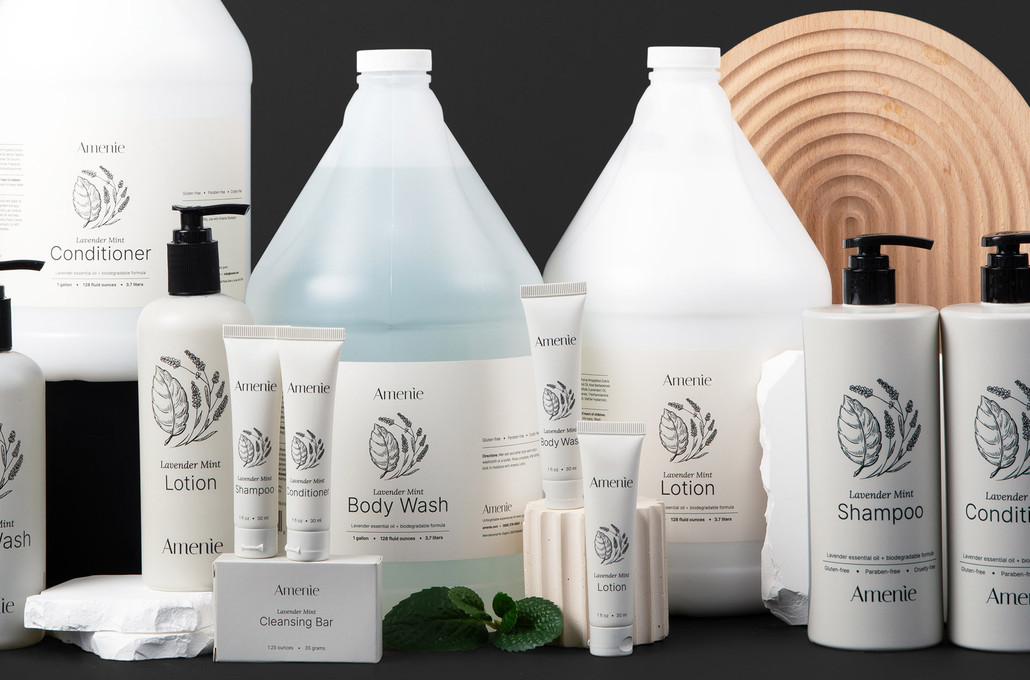
Bulk vs Single-Use Products: What Smart Airbnb Hosts Choose in 2026
Posted by Amenie on Sep 11, 2025
Guest expectations have shifted toward sustainability, with large traveler surveys showing strong interest in more sustainable stays (for example, 76% said they want to travel more sustainably in the next 12 months). The products you stock in your property directly affect both environmental outcomes and guest perceptions.
Creating an eco-friendly Airbnb can deliver benefits that extend beyond environmental stewardship—especially as major platforms continue to highlight lower‑impact choices for travelers. The urgency is real: without additional action, the annual flow of plastic into the ocean could triple by 2040.
The business case is compelling. Airbnb previously reported that 66% of its guests said the environmental benefits of home‑sharing were important in their choice; and Booking.com found that travelers would pay extra for options with a credible sustainability certification.
5 Key Differences Between Bulk vs Single-Use Products for Airbnb Hosts
When stocking your vacation rental, the choice between bulk and single-use products shapes far more than just your supply closet. It directly influences your operational costs, guest perception, environmental footprint, and even your visibility on platforms like Airbnb and Booking.com.
With 76% of travelers indicating they want to travel more sustainably in the next 12 months, and Airbnb actively surfacing eco-conscious listings, understanding these differences has become a strategic priority for hosts who want to stay competitive. B
elow, we break down the five most important distinctions between bulk and single-use products—then compare them side by side so you can make the right call for your property.
1. Environmental Impact: Waste Generation and Carbon Footprint
The most visible difference lies in waste output. Single-use products generate significantly more packaging waste per guest stay, contributing to the 4.9 pounds of municipal solid waste the average American produces daily. Since only about 5–6% of U.S. plastic is actually recycled, the vast majority of those miniature shampoo bottles, coffee pods, and wrapped toiletries end up in landfills.
Bulk products, by contrast, drastically reduce packaging per use. Life-cycle assessments consistently show that when managed properly, reusable and bulk systems have lower environmental impacts across multiple indicators. Fewer deliveries also mean a smaller carbon footprint—value-chain analysis shows that 45% of a product's total life-cycle emissions come from upstream supply chain activities, so consolidating purchases makes a measurable difference.
2. Cost Structure: Upfront Investment vs Long-Term Savings
Single-use products offer a lower barrier to entry. You buy exactly what you need for the next few stays, with minimal upfront commitment. However, this convenience comes at a premium—you'll pay more per unit and reorder far more frequently.
Bulk products typically cost 5–10% more upfront, but the long-term math strongly favors them. Hosts save up to 63% on items like paper towels when purchasing in bulk, and concentrated cleaning supplies can replace 8–12 individual purchases with a single order. Over a full year of hosting, these savings compound into meaningful ROI while simplifying your purchasing workflow.
3. Guest Perception and Property Positioning
The aesthetic and emotional impact on guests is often underestimated. Single-use items—plastic mini-bottles scattered on bathroom counters, individually wrapped coffee pods, disposable towels—can make a property feel cluttered, generic, or reminiscent of a budget motel.
Bulk products signal a different standard entirely. Wall-mounted dispensers evoke luxury hotel quality, glass jars in the pantry communicate attention to detail, and refillable amenities tell guests you've thought carefully about their experience. With 66% of Airbnb guests saying environmental benefits influence their booking choices, these visual cues translate directly into better reviews and higher perceived value.
4. Storage and Operational Logistics
This is where single-use products have a genuine edge. They require minimal storage space, arrive ready to place, and don't demand any refilling systems. For hosts with small properties, limited closet space, or infrequent turnovers, this simplicity matters.
Bulk products require more thoughtful logistics—dedicated storage areas, labeled containers, refill schedules, and a basic inventory tracking system. The tradeoff, however, is fewer emergency runs to the store, less time managing deliveries, and a centralized supply system that scales well across multiple properties or high-turnover listings.
5. Platform Visibility and Eco-Certification Eligibility
Perhaps the most overlooked difference is how each approach affects your discoverability. Airbnb increasingly highlights eco-friendly listings, and 4.5 million guests selected sustainable properties within a single year—with bookings for these listings growing 50% year over year.
Bulk products help hosts qualify for recognized certifications like Green Key and LEED, which require documented sustainability practices. Single-use-heavy properties typically can't meet these standards. Certification—while requiring 3–6 months and annual fees of €380–€550 for small accommodations—unlocks premium pricing, higher occupancy rates, and priority placement when travelers filter for sustainable stays.
Bulk vs Single-Use Products: Side-by-Side Comparison
| Difference | Bulk Products | Single-Use Products |
|---|---|---|
| Environmental Impact | Significantly lower packaging waste; fewer deliveries reduce upstream emissions; aligns with net-zero hospitality goals | High packaging waste per stay; only 5–6% of U.S. plastic is recycled; frequent reorders increase carbon footprint |
| Cost Structure | 5–10% higher upfront; up to 63% savings on items like paper towels long-term; one bulk order replaces 8–12 individual purchases | Low upfront cost; higher per-unit price; frequent reordering increases cumulative spend and disposal fees |
| Guest Perception | Wall-mounted dispensers and glass jars signal luxury and intentional hosting; 66% of Airbnb guests factor sustainability into bookings | Mini-bottles and wrapped items can feel cluttered or budget-tier; weaker emotional connection with eco-conscious guests |
| Storage & Logistics | Requires dedicated storage, labeling, and refill systems; centralized inventory simplifies multi-property management | Minimal storage needed; ready to place; requires more frequent restocking trips and deliveries |
| Platform Visibility & Certification | Supports eligibility for Green Key, LEED, and Airbnb eco-highlights; drove 50% growth in sustainable listing bookings | Typically ineligible for eco-certifications; lower visibility in sustainability-filtered searches |
Environmental Impact of Bulk vs Single-Use Products for Vacation Rentals
Environmental stewardship starts with recognizing how product decisions affect both your property's footprint and your guests' experience. For vacation rental hosts, these choices extend far beyond simple convenience—they shape your brand reputation and operational efficiency.
Waste generation: single‑use vs bulk packaging
Multiple life‑cycle assessments (LCAs) show that—when reuse cycles and logistics are managed well, reusable systems often have lower overall impacts than single‑use alternatives across several indicators.
Americans generate about 4.9 pounds of municipal solid waste per person per day, roughly 1,788 pounds per person per year. Containers and packaging are a major share of that waste stream. For hosts, this creates unnecessary disposal costs and reflects poorly on properties positioned as thoughtful, sustainable spaces.
The contrast becomes clear when you consider guest expectations. Properties that minimize waste appeal to environmentally conscious travelers while reducing your operational overhead.
Carbon footprint of frequent reordering
Value‑chain carbon analysis across hundreds of products finds that, on average, 45% of total life‑cycle emissions occur upstream in the supply chain (materials, components, etc.), and the average product causes emissions about 6× its own weight over its life cycle. Consolidating purchases (e.g., bulk vs frequent single purchases) helps cut packaging and transport impacts while simplifying inventory.
Consider the difference: ordering cleaning supplies monthly versus quarterly reduces delivery frequency, packaging waste, and your property's carbon footprint while simplifying inventory management.
8 Smart Bulk Product Swaps for Airbnb Hosts
Smart hosts understand that small changes create a meaningful impact. These eight practical swaps deliver immediate benefits for your property operations, guest experience, and environmental footprint:
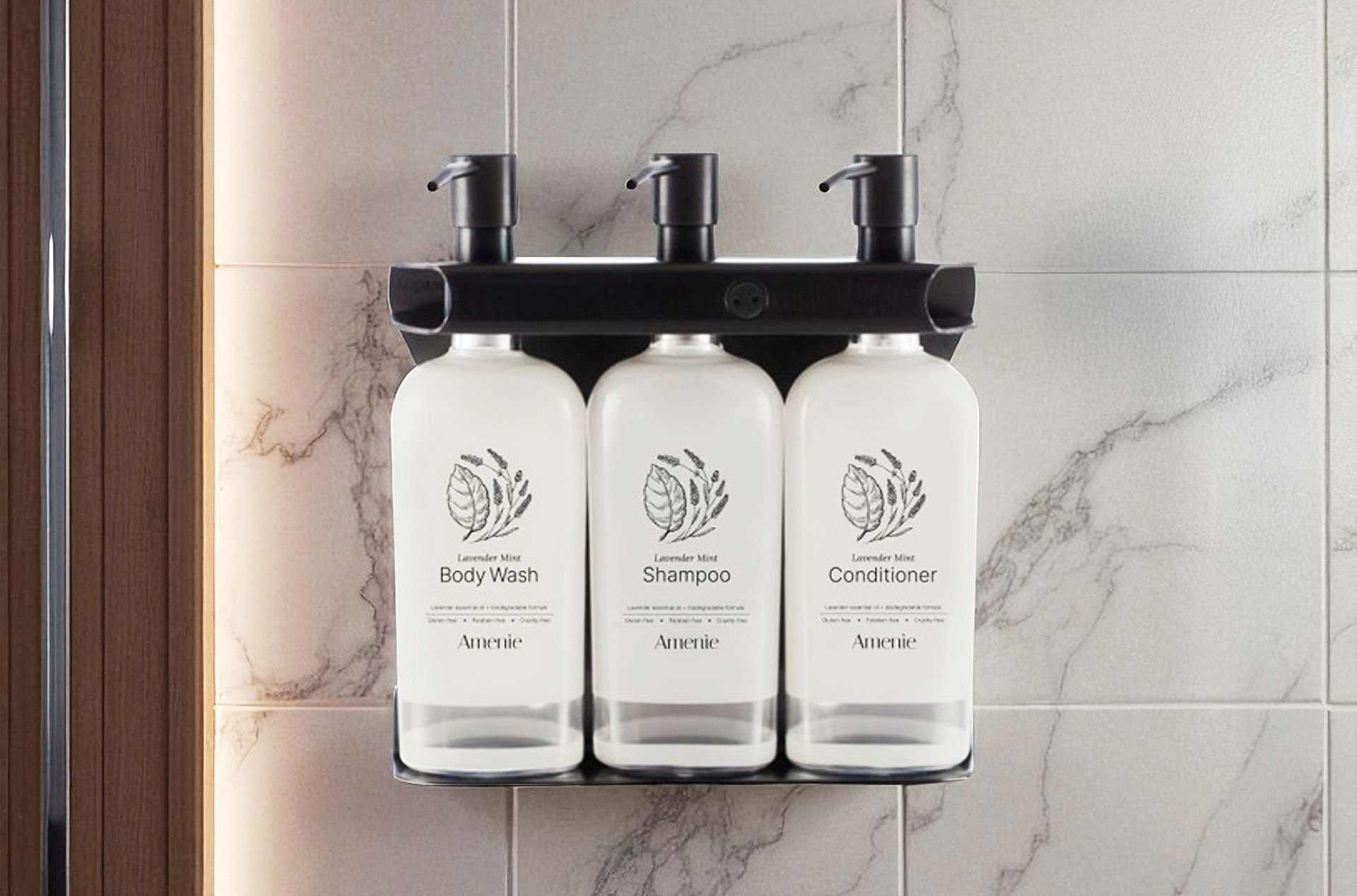
1. Shampoo and Body Wash: Wall-Mounted Dispensers
Wall-mounted dispensers elevate your bathroom while cutting down on single-use plastics. Guests consistently prefer organized, refillable options over cluttered bottles.
Recommended Choice:
Amenie Lavender Mint Aquamenities 3-Chamber Refillable Dispenser – Beautifully labeled chambers with a calming spa scent.
2. Coffee and Tea: Bulk Jars vs Single Pods
Ditch disposable coffee pods in favor of bulk coffee and tea stored in attractive canisters. This not only reduces waste but also feels more personal and welcoming.
Pro Tip: Pair with a branded welcome note and reusable mugs for a memorable touch.
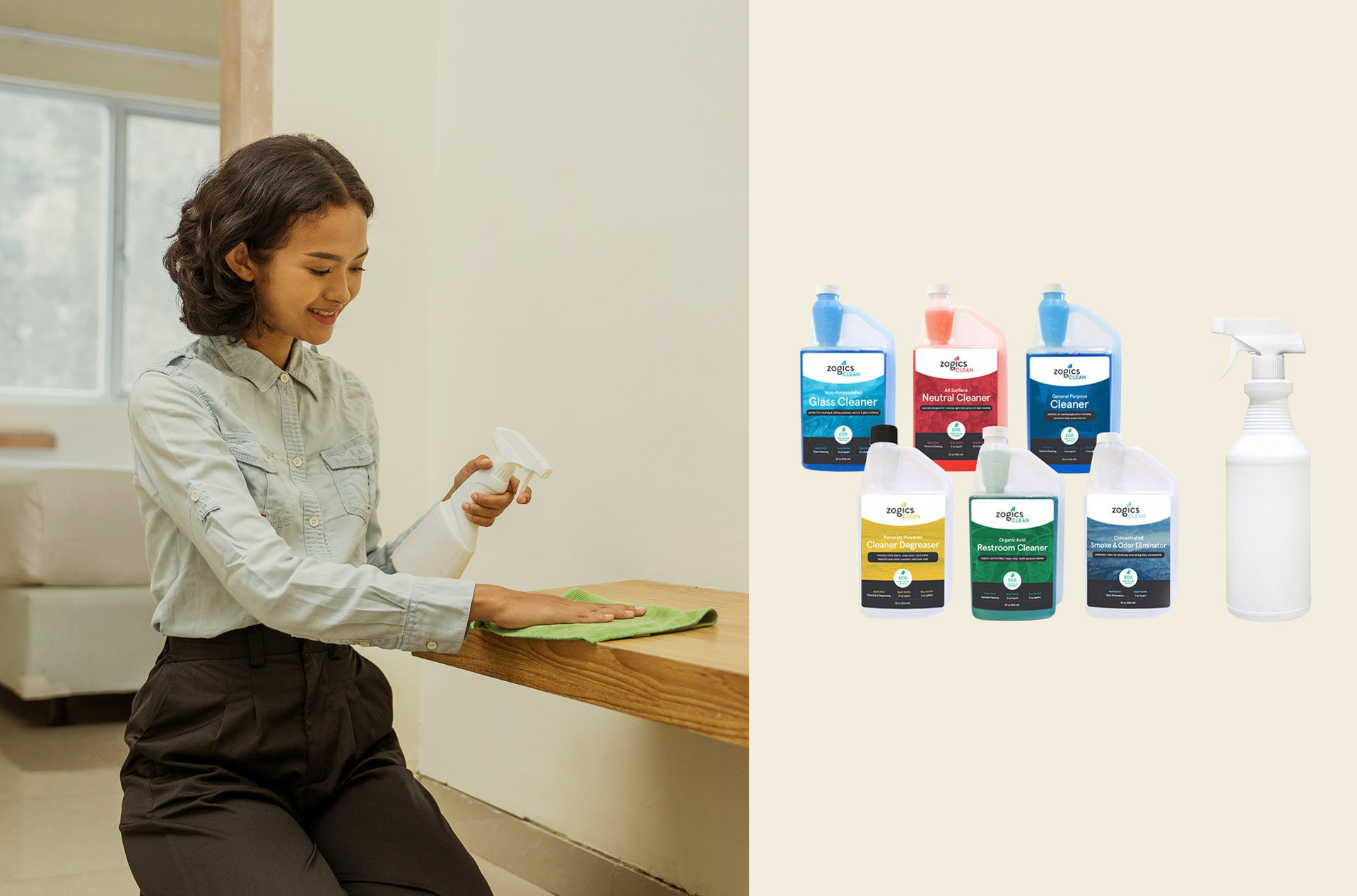
3. Cleaning Supplies: Concentrates and Refill Stations
Concentrated cleaners help you make multiple bottles from one container—saving money and storage space. Refill stations with microfiber cloths further reduce waste during turnovers.
Recommended Supplies:
Zogics Clean Sample Case + Spray Bottles – An all-in-one kit with professional-grade concentrates and reusable bottles to simplify cleaning and reduce packaging waste.
4. Pantry Staples: Glass Jars vs Individually Wrapped Items
Stock cooking essentials in stylish glass containers rather than single-serving packets. Beyond salt and pepper, consider offering olive oil, vinegar, and frequently used spices in proper storage vessels. First-night coffee supplies, quality tea bags, and coffee filters rank among the most appreciated guest amenities.
5. Laundry Detergent: Powder or Liquid in Bulk
Quality laundry detergent is essential for maintaining fresh linens, towels, and other washables. Eco-friendly options offer hypoallergenic formulas perfect for sensitive guests. Powdered detergents purchased in bulk provide excellent value, particularly beneficial for hosts managing multiple properties.
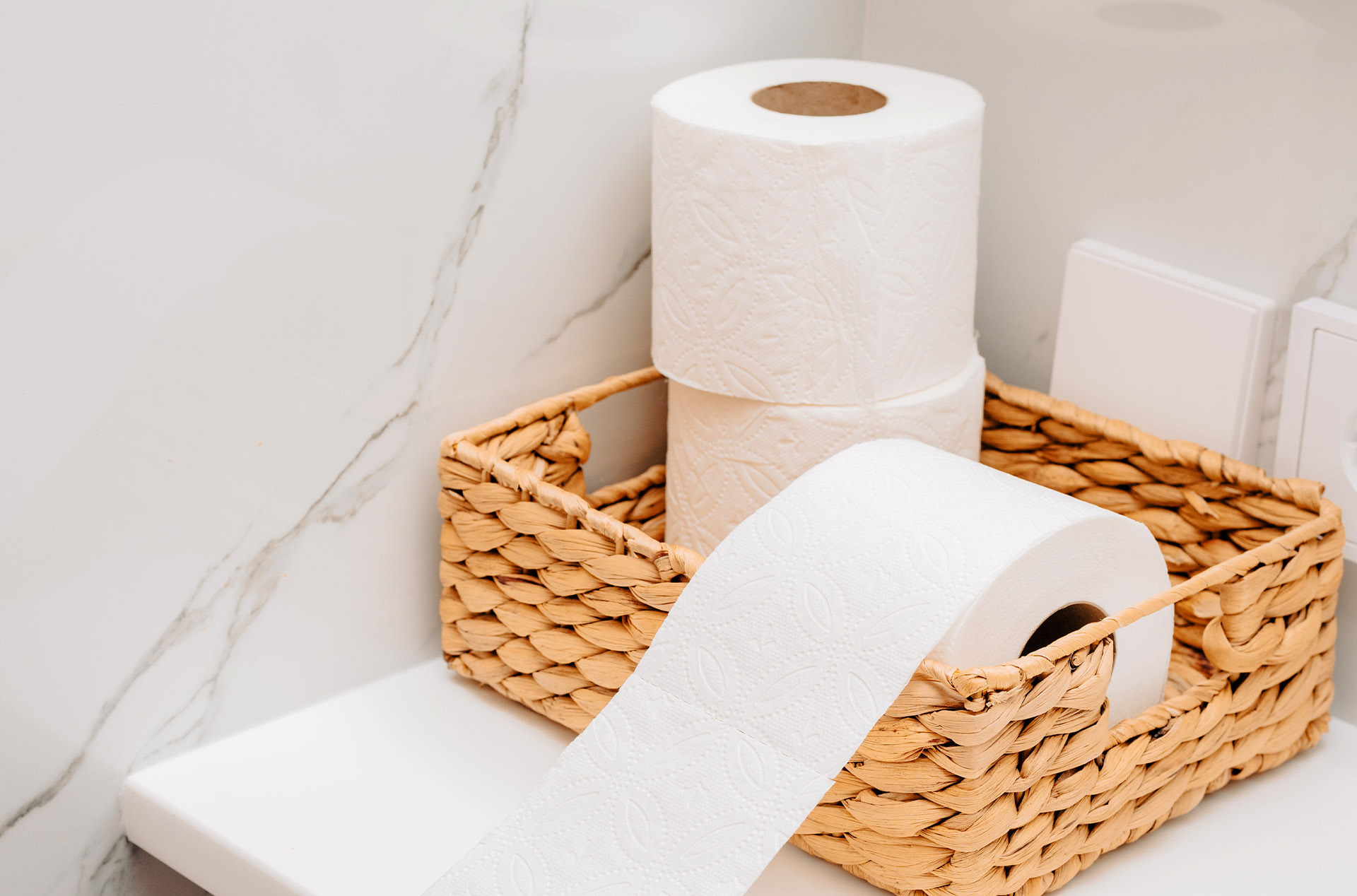
6. Toilet Paper: Recycled, Bulk-Packed Rolls
Never underestimate the impact of quality toilet paper on guest impressions. Zogic’s bulk standard toilet paper arrives individually wrapped and crafted from recycled content. Recycled options resonate strongly with environmentally conscious travelers.
7. Kitchen Essentials: Reusable Towels and Beeswax Wraps
Provide reusable kitchen towels and dish cloths instead of disposable paper towels. White cotton towels work best since stains are easier to treat and remove. Create an intuitive system where guests place used towels in a designated hamper. Stock eco-friendly dish soap, washing gloves, and drying racks to complete the sustainable kitchen setup.
8. Guest Amenities: Refillable Water Bottles and Tote Bags
Offer reusable items that enhance the guest experience while promoting sustainability values. Shopping totes for grocery runs and refillable water bottles help reduce single-use plastic consumption throughout their stay. These thoughtful additions often become cherished keepsakes from their visit.
Bonus Tip: Keep Your Supplies Organized
A clear, consistent inventory system helps you stay stocked without overspending. For step-by-step guidance, including a free checklist, read our guide:
-> How to Stock Your Airbnb Bathroom for Perfect Guest Reviews: A Host’s Guide
How Bulk Products Support Platform Sustainability Goals
Bulk product choices create a powerful alignment between smart business practices and environmental responsibility. The benefits extend across three critical areas that directly impact your property's success.
Lower operating costs & higher ROI
Bulk purchases deliver substantial savings that compound over time. The initial investment may run 5-10% higher, but hosts recover these costs quickly through bulk refills and reduced utility expenses.
Zogics Hypochlorous Surface Disinfectant is a cost-effective, eco-friendly cleaning chemical available in bulk. Its concentrated formula often means smaller quantities are needed, leading to less frequent reorders and reduced packaging waste disposal fees. This product is also safe for use around children and pets.
Consider the math: A single bulk purchase can replace 8-12 individual shopping trips, saving both time and transportation costs. Your housekeeping team spends less time managing inventory and more time focusing on guest experience.

Improved guest appeal for eco‑forward listings
Each Soapbox item includes a unique Hope Code that your guests can enter to see exactly which project their purchase supported. Whether it’s funding hygiene education, donating soap to local shelters, or improving access to clean water, every bar makes a difference.
The platform data tells a compelling story: 4.5 million guests selected eco-friendly listings within a single year, with bookings for environmentally conscious properties growing by 50%. For more than half of Airbnb's sustainability-focused guests, your green practices become a decisive booking factor.
Smart hosts understand that bulk products communicate quality and environmental commitment. Wall-mounted dispensers suggest luxury hotel standards. Refillable glass containers in kitchens signal attention to detail. These choices enhance your property's perceived value while supporting genuine sustainability goals.
Eligibility for eco‑badges and recognition
Airbnb highlights energy‑efficient homes in some markets using EPC documentation. Properties must achieve A or B ratings through in-person inspections that provide objective energy performance measurements. Independent certifications like Green Key and LEED are widely recognized across the industry.
The certification process typically requires three to six months and includes:
- Self-assessment and documentation
- On-site audit
- Implementation of corrective actions
Investment varies by program and property size. Green Key charges €380–€550 annually for small accommodations, plus periodic audit fees. This investment pays substantial dividends through improved search visibility when travelers filter for eco-friendly accommodations.
Certification creates a competitive advantage. Verified eco-properties often command premium rates while maintaining higher occupancy levels—a combination that significantly impacts your bottom line.
Overcoming Common Challenges with Bulk
Making the switch to bulk products requires thoughtful planning. The obstacles are real, but each challenge presents an opportunity to strengthen your operations and guest experience.
Storage & refilling
Space constraints can feel overwhelming when you're stocking for multiple turnovers. Start by assessing your current storage areas, closets, utility rooms, or dedicated supply spaces. Store toiletries in cool, dry locations using labeled containers that make restocking simple and systematic.
For linens and bedding, invest in breathable storage solutions that prevent dust buildup while maintaining fabric quality. Remove unnecessary packaging from items like paper towels and trash bags to maximize your storage efficiency. Keep all backstock in one central location when possible—this streamlines your refill process and helps housekeeping teams work more efficiently.
Track usage patterns through a simple inventory system. Note which products run low first and adjust your purchasing accordingly. This prevents last-minute shortages that can disrupt guest experiences.
Guest misuse or confusion
Not every guest will appreciate or understand your bulk product choices. Screen reviews and guest profiles to identify potential concerns before arrival. Document your property's condition with detailed photos and videos—this protects you in case of damage claims.
Clear labeling solves most confusion issues. Install dispensers with simple instructions and consider placing small cards explaining your sustainability commitment. Many guests appreciate learning how their stay supports environmental goals.
Protect valuable items through appropriate insurance coverage. Your standard homeowner's policy may not cover commercial guest activity, so explore Airbnb-specific or short-term rental insurance options.
Initial Investment vs Long-Term Savings
The upfront costs can seem steep. But consider the mathematics: consumers save up to 63% by purchasing paper towels in bulk. Calculate your property's occupancy rates and typical usage patterns before committing to large quantities.
Focus on non-perishable items first—cleaning supplies, paper goods, and toiletries have extended shelf lives that make bulk purchasing practical. Avoid bulk food items unless your turnover rate guarantees usage before expiration dates.
Will your property use these products within their useful life? This question guides smart purchasing decisions and prevents waste from well-intentioned but poorly planned bulk buying.

Why Bulk Amenities Are the Future of Sustainable Hosting
Your choice between bulk and single-use products reflects a deeper commitment to hospitality excellence and environmental responsibility. The evidence points toward a clear path forward—one that aligns guest satisfaction with operational efficiency and planetary stewardship.
Smart hosts understand that sustainable practices create lasting value. Wall-mounted dispensers, concentrated cleaning supplies, and thoughtfully stocked pantry essentials don't just reduce waste—they elevate the guest experience while supporting your bottom line. These decisions position your property within Airbnb's vision for net-zero operations by 2030, creating meaningful alignment between your business goals and broader industry transformation.
Storage challenges and initial investment concerns are real, but they're manageable with proper planning. Local sourcing partnerships offer solutions that strengthen community ties while reducing transportation emissions. Every obstacle becomes an opportunity to refine your approach and demonstrate your commitment to thoughtful hospitality.
The path forward is becoming clearer each day. With 75% of travelers planning to choose sustainable accommodations in 2024-25, bulk product adoption isn't just environmentally responsible—it's strategically essential. Your property can lead this shift rather than scramble to catch up. We believe that every detail matters in creating memorable guest experiences. At Amenie, we support hosts who recognize that sustainability and luxury aren't competing priorities—they're complementary forces that define the future of hospitality.
The question isn't whether to embrace bulk products, but how quickly you can implement them to serve your guests better while protecting the planet we all share.
Frequently Asked Questions
What are the benefits of using bulk products in Airbnb properties?
Using bulk products reduces waste generation, lowers operational costs in the long run, and improves guest satisfaction. It aligns with Airbnb's sustainability goals and can lead to higher occupancy rates and better reviews from eco-conscious travelers.
How can Airbnb hosts overcome storage challenges when switching to bulk products?
Hosts can overcome storage challenges by assessing available space, using labeled containers, implementing an inventory management system, and storing items in cool, dry places. Removing bulky packaging and keeping backstock in one location can also maximize storage efficiency.
Are bulk products more cost-effective for Airbnb hosts?
Yes, bulk products are generally more cost-effective in the long term. While initial costs may be 5-10% higher, hosts quickly recover these investments through bulk refills, lower utility bills, and potentially higher occupancy rates from environmentally conscious guests.
What are some smart bulk product swaps for Airbnb hosts?
Smart bulk product swaps include wall-mounted dispensers for shampoo and body wash, bulk jars for coffee and tea, concentrated cleaning supplies, glass jars for pantry staples, bulk laundry detergent, recycled toilet paper in bulk, reusable kitchen towels, and providing guests with refillable water bottles and tote bags.
How do bulk products support Airbnb's sustainability initiatives?
Bulk products support Airbnb's goal of operating as a net-zero company by 2030 by reducing waste, lowering carbon emissions from frequent reordering, and aligning with the company's Supplier Sustainability Program. They also help hosts qualify for eco-badges and certifications, which can improve listing visibility and attract eco-conscious guests.